The Four Ways We Get Data Wrong in EVS

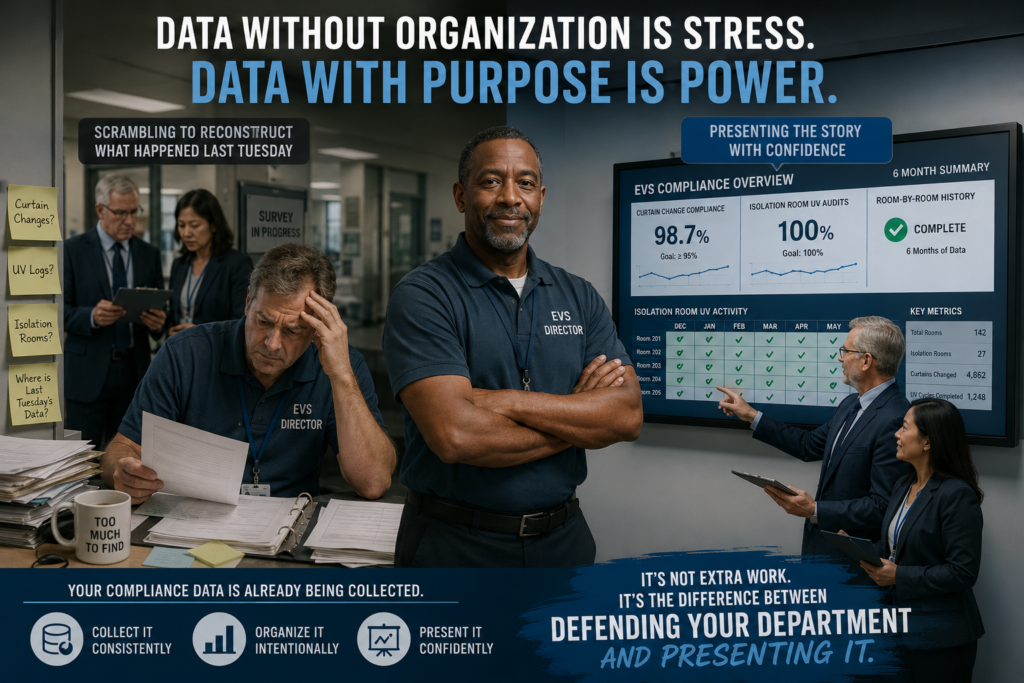
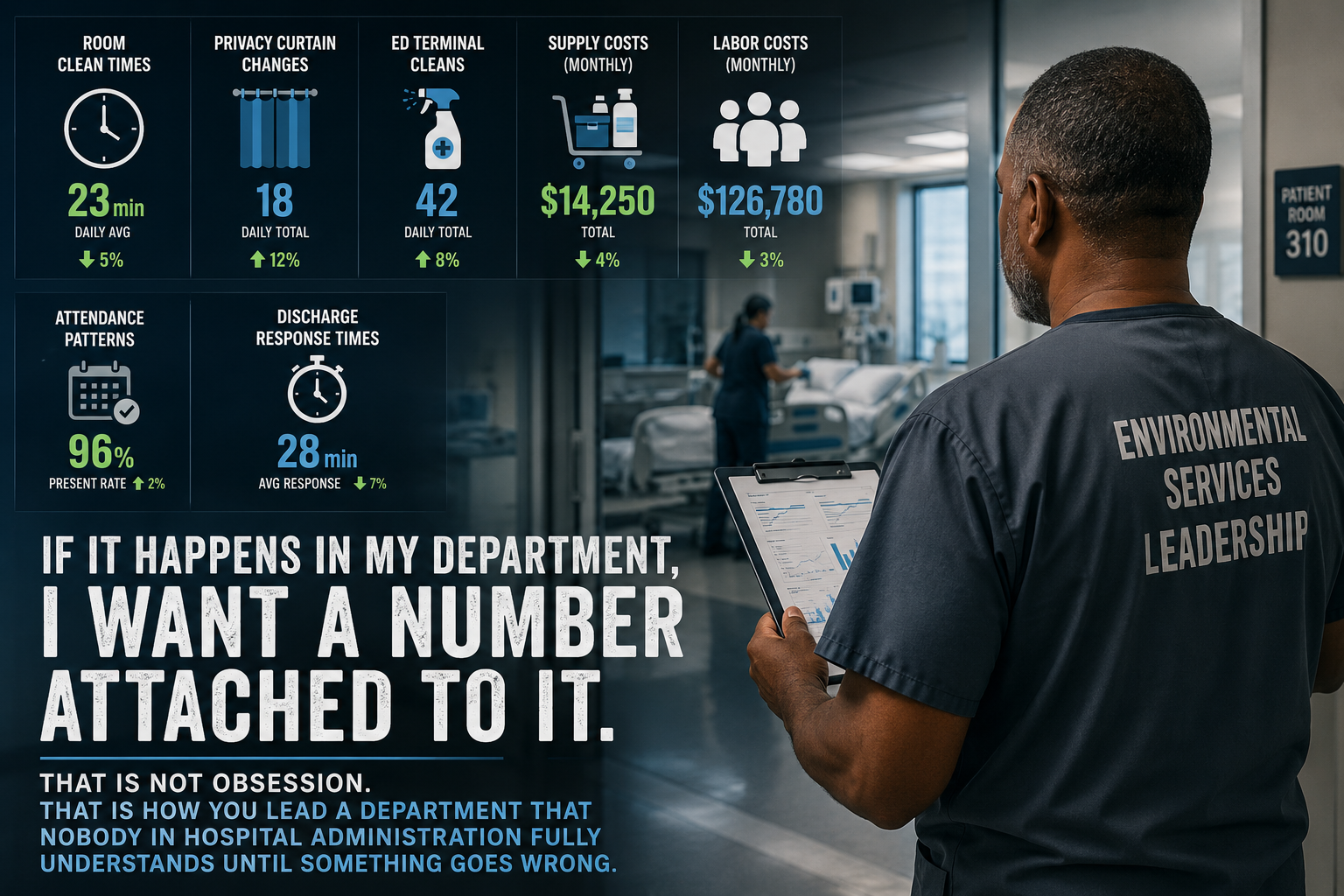
There is no shortage of data in healthcare. Audit scores. ATP readings. HAI rates. Discharge turnaround times. Supply consumption reports. If you lead an EVS department, you are swimming in numbers.

And yet, most of us are not getting the full value out of any of them.

I want to talk about four ways we consistently get data wrong in Environmental Services. Not because we are bad at our jobs, but because nobody taught us to think about data as a leadership tool. We were taught to report it, defend it, and chase it. That is not the same thing.

The Office is a Trap: 5 Leadership Lessons

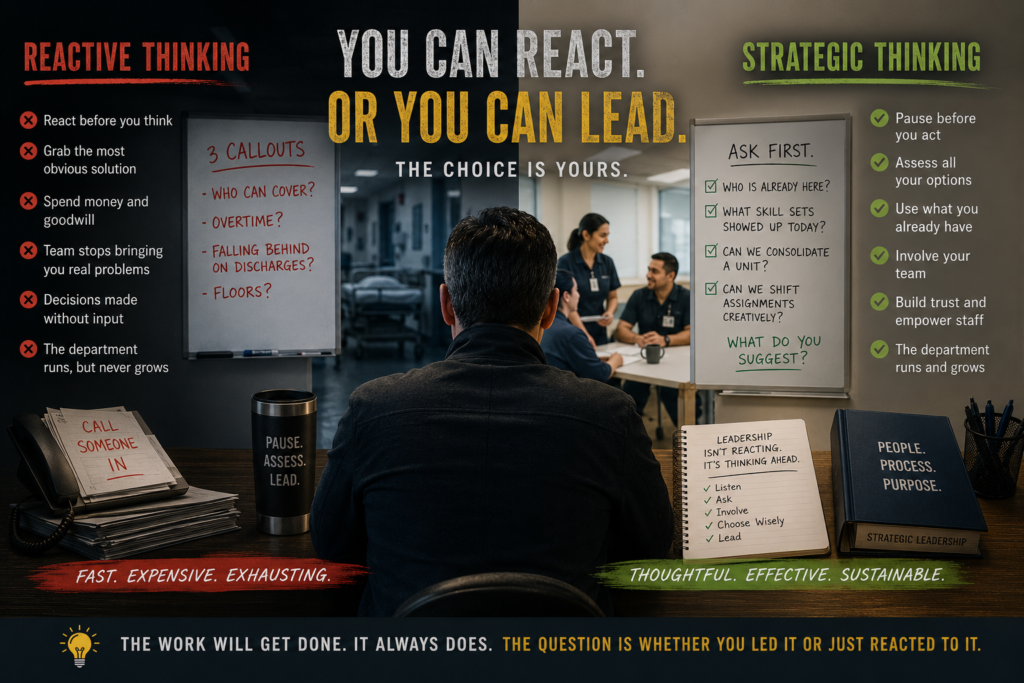
The leader who works the floor leads the floor. Physical presence is not a monitoring tactic; it is a profound investment in your team. When you are visible, performance naturally rises because people raise their standards when they know their leader is paying attention. Problems surface as “small issues” before they can mutate into patient complaints or safety incidents. Most importantly, presence communicates a level of support that a memo never could.

To bridge the gap between high-level strategy and frontline execution, leaders must master these five lessons from the floor.

Trust Is More Important Than Performance. Here Is Why That Is Not a Contradiction.

When staff trust their leadership, something changes. They show up differently. They speak up when something is wrong. They adapt faster when protocols change. They stay longer. And over time, that produces better outcomes than any dashboard-first management approach ever will.

Adult Learning Principles

A supervisor who manages performance well, but trains poorly will always be managing performance because the team will never reach its potential. A supervisor who trains effectively creates workers who know what to do, understand why they are doing it, and can maintain that standard with less direct supervision. In an EVS department the ability to train well is the most scalable leadership you can learn.

Staff Training: The Four C’s

I have developed a full staff training on the Four C’s that we will be rolling out next week. These are four of the most dangerous drug-resistant organisms in healthcare settings, and I want to share some of the key points from that training here.

Know Your Microbial Targets: Choosing the Right Disinfectant for the Pathogen

In the first post in this series, I laid out four variables that drive smart disinfectant selection: microbial targets, contact time, chemistry, and EPA registration. Each one deserves a deeper look. This post focuses on the first and most foundational: knowing exactly which organisms you are targeting and why that determines which disinfectant belongs in your team’s hands.

Choosing the Right Disinfectant: A Guide for EVS Professionals

Choosing the right disinfectant is a critical decision for environmental services (EVS) professionals, impacting patient safety and infection control. Selection involves understanding microbial targets, proper application practices, chemical properties, and regulatory compliance.

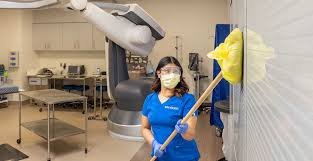
Terminal Cleaning of the Operating Room

When you think of the word “clean,” you might picture a sparkling kitchen counter. But in a hospital operating room, “clean” is a term of microscopic precision, where the stakes are infinitely higher. For the highly trained Environmental Services (EVS) technicians responsible for this environment, cleaning is not about tidiness—it is a critical, non-negotiable component of patient safety.

Confronting the Ghost in the Room: Why Candida auris Demands Aggressive Disinfection

Analogy for Understanding: Think of Candida auris like a “microscopic ghost.” Long after a patient has been discharged, the fungus remains haunting the surfaces of the room. Using standard cleaners is like dusting the furniture while the ghost remains; only periodic interventions like this will truly clear the space for the next patient.

6 Microbial Secrets That Will Change How You See the World

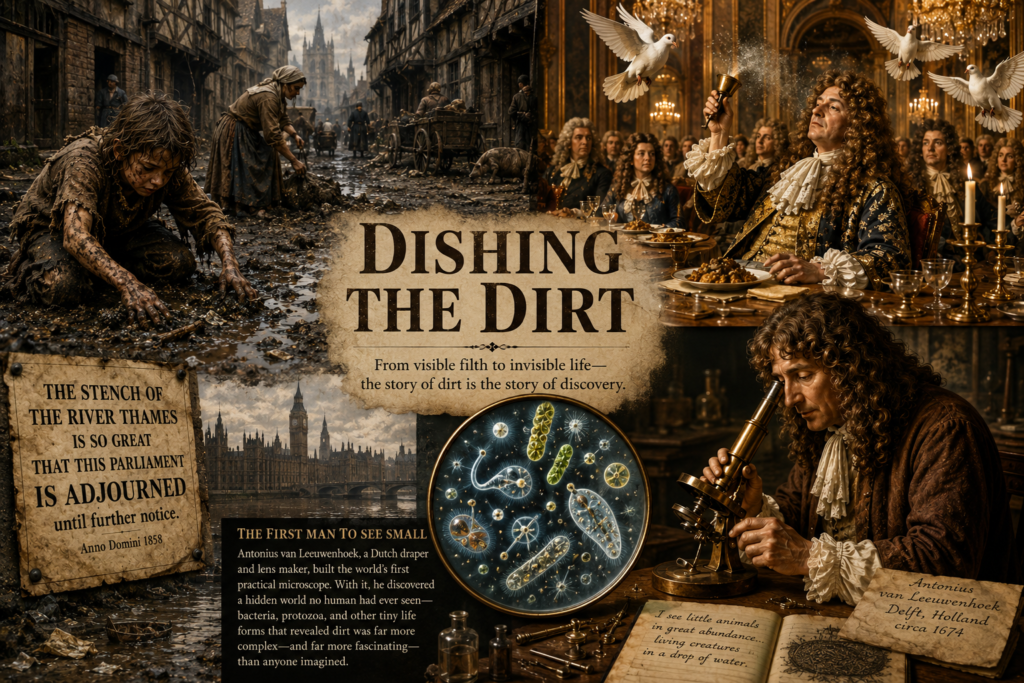
Microbes are everywhere—on your skin, in the air you breathe, and in the food you eat. They form a vast, invisible universe that shapes our lives in profound ways. While we often think of “germs” as simple enemies to be defeated, their stories are far more complex, surprising, and fascinating than we can imagine. From their discovery and evolution to their impact on our health, the interplay between microbes and humanity is a journey through the quirks and mysteries of life at the microscopic level.

More Than a Menace: The Secret Histories of the World’s Toughest Germs

What is the first thing you notice when you enter a hotel or hospital room? I believe, most people register a simple impression: it is either clean and smells fresh, or it isn’t. This feeling of cleanliness gives us a sense of safety and comfort, a sign that professionals have worked tirelessly to prepare the space just for us. But what if that sterile scent masks an invisible world with a dramatic history of its own?