Part 2 of the Choosing the Right Disinfectant Series

By John Michael Weir | Environmental Services Professional

In the first post in this series, I laid out four variables that drive smart disinfectant selection: microbial targets, contact time, chemistry, and EPA registration. Each one deserves a deeper look. This post focuses on the first and most foundational: knowing exactly which organisms you are targeting and why that determines which disinfectant belongs in your team’s hands.

This is not an abstract exercise. The wrong product applied to the right surface is still the wrong choice. In healthcare environmental services, organism-specific disinfectant selection is a patient safety decision.

Why the Organism Determines the Product

Disinfectants do not kill all organisms equally. The structure of a pathogen determines how vulnerable it is to a given chemical agent. Bacteria with protective spore coats, fungi with thick cell walls, and non-enveloped viruses with protein capsids are all significantly harder to inactivate than vegetative bacteria or enveloped viruses. A product that delivers a 99.9% kill rate against MRSA may have zero efficacy against C. diff spores.

The hierarchy of microbial resistance, from easiest to hardest to kill, generally follows this order: enveloped viruses, vegetative bacteria, fungi, non-enveloped viruses, mycobacteria, and bacterial spores. Understanding where your target pathogen falls in that hierarchy directly informs the level of disinfection required and the chemistry needed to achieve it.

The Spaulding Classification and Environmental Surfaces

The Spaulding Classification system, established by Earle Spaulding in 1968 and still endorsed by the CDC and APIC, categorizes patient care items into three tiers based on infection risk. Critical items contact sterile tissue and require sterilization. Semi-critical items contact mucous membranes and require high-level disinfection. Non-critical items contact only intact skin and require intermediate- to low-level disinfection.

Environmental surfaces fall into the non-critical category. But that designation does not mean any product will do. Non-critical surfaces in healthcare settings still carry significant pathogen burden and serve as a documented transmission route for healthcare-associated infections (HAIs). The CDC estimates that on any given day, approximately 1 in 31 hospital patients has at least one HAI. Environmental surface contamination is a contributing factor that EVS teams directly control.

The practical takeaway for EVS leaders: intermediate-level disinfection is the floor for most clinical areas, and organism-specific threats in your facility may require you to go higher.

Clostridioides difficile (C. diff)

Why it demands special attention

C. diff is a spore-forming bacterium and one of the most common causes of healthcare-associated diarrhea and colitis. According to the CDC, C. diff infects nearly 500,000 Americans annually and contributes to approximately 15,000 to 30,000 deaths. The spores it produces are uniquely hardy: they can survive on environmental surfaces for months, resist heat, and are unaffected by alcohol-based hand rubs and most standard disinfectants.

What the science says about disinfectant choice

The only EPA-registered disinfectants effective against C. diff spores are sporicidal agents, primarily sodium hypochlorite (bleach) at concentrations of 1,000 to 5,000 ppm, and a small number of other sporicidal chemistries. Quaternary ammonium compounds, the most widely used disinfectant class in healthcare, have no sporicidal activity and should not be used as the primary disinfectant in C. diff isolation rooms or during outbreak response.

EPA List K identifies disinfectants registered for use against C. diff spores. Verify that any product used in C. diff precaution environments carries this registration. During active C. diff cases, your facility’s infection prevention team should define the disinfectant protocol, concentration, and frequency. EVS’s role is to execute that protocol with precision and consistency.

Candida auris

An emerging threat with real environmental implications

Candida auris is a multidrug-resistant fungus first identified in 2009 and now present across multiple continents. The CDC has designated it a serious global health threat. What makes C. auris particularly relevant for EVS teams is its documented persistence on surfaces: research has detected C. auris on bedrails, windowsills, IV poles, and medical equipment days to weeks after a patient has left the room.

Disinfectant selection considerations

Not all disinfectants are effective against C. auris, and this is a critical point. Quaternary ammonium compounds, again, may not provide adequate efficacy. EPA List P identifies products with registered efficacy against C. auris. Accelerated hydrogen peroxide and sodium hypochlorite at appropriate concentrations are among the chemistries with demonstrated activity against this organism.

If your facility has had a confirmed C. auris case, your infection prevention team should be driving the disinfectant protocol. If you have not yet had a case, knowing which products on your current formulary hold EPA List P registration is a preparedness step worth taking now.

MRSA, VRE, and CRE

The resistant bacteria most EVS teams encounter regularly

Methicillin-resistant Staphylococcus aureus (MRSA), vancomycin-resistant Enterococcus (VRE), and carbapenem-resistant Enterobacteriaceae (CRE) are among the most common multidrug-resistant organisms (MDROs) found in hospital environments. Unlike C. diff, these are vegetative bacteria without spore-forming capability, which means they are more susceptible to a broader range of disinfectant chemistries.

Intermediate-level disinfectants with documented efficacy against these organisms, applied at the correct contact time, are generally adequate for terminal cleaning and daily disinfection of contact precaution rooms. The key variables are not the chemistry but the application: adequate surface coverage, correct product dilution, and adherence to contact time.

Where EVS teams can improve outcomes

Research consistently shows that high-touch surfaces in MDRO isolation rooms are frequently missed or inadequately disinfected. Studies using fluorescent markers and ATP bioluminescence have demonstrated that bed rails, call buttons, light switches, toilet handles, and door handles are among the most missed surfaces during terminal cleaning. Product efficacy is irrelevant if the product is not reaching the surface. Training, monitoring, and accountability systems are as important as the disinfectant itself.

Norovirus and SARS-CoV-2

Non-enveloped versus enveloped viruses

Understanding viral structure matters for disinfectant selection. Enveloped viruses, including SARS-CoV-2, influenza, and RSV, have a lipid outer membrane that is relatively easy to disrupt. Most intermediate-level disinfectants, including quats, AHP, and bleach, are effective against enveloped viruses at standard concentrations and contact times.

Norovirus is a non-enveloped virus, which makes it significantly more resistant to disinfection. It is also highly contagious, with as few as 18 viral particles sufficient to cause infection in a susceptible host. In healthcare settings, norovirus outbreaks can move quickly through a unit if environmental disinfection is inadequate.

EPA List guidance

For norovirus, look for EPA List Q registration, which identifies products effective against norovirus surrogates. For SARS-CoV-2 and other emerging viral pathogens, EPA List N is the reference. Many current healthcare disinfectants carry List N registration, but List Q is a more selective list. Verify both before assuming your current product covers viral threats across the board.

Putting It Into Practice: A Framework for EVS Leaders

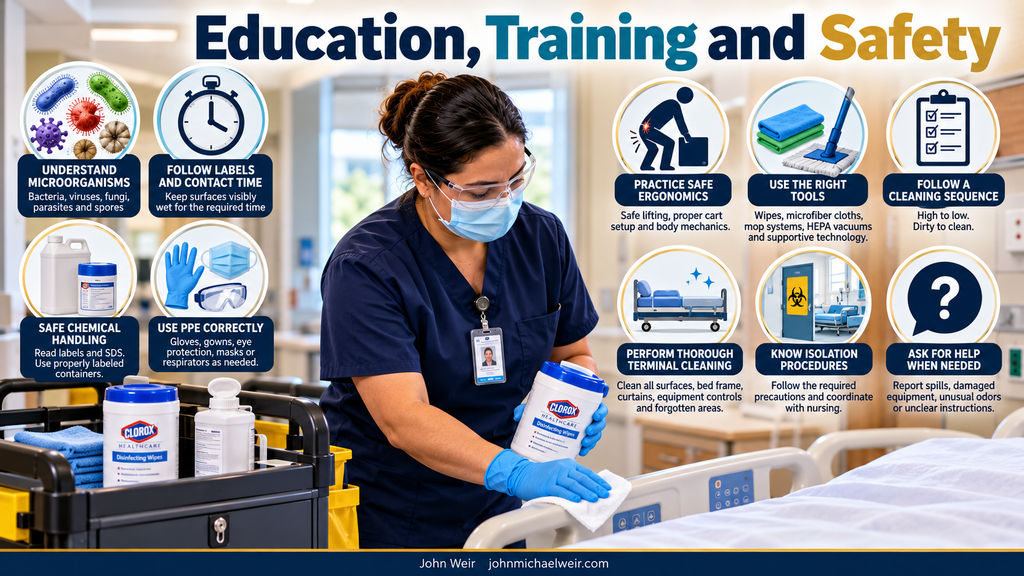
The organisms above are not hypothetical. They are present in hospitals every day. An EVS leader’s job is to ensure that the disinfectant being applied to a surface is capable of addressing the organism that surface may be harboring. That requires four things:

  • Know the organisms: Work with your infection preventionist to understand which pathogens are active in your facility and which areas carry the highest risk.
  • Know your product’s registration: Pull the EPA registration for every disinfectant in your formulary. Match it to the EPA lists relevant to your facility’s pathogen profile.
  • Align product to environment: Do not use the same product everywhere by default. C. diff rooms, C. auris cases, and standard MDRO precaution rooms may each call for a different product or protocol.
  • Train to the organism: When staff understand why a specific product is required in a specific room, compliance improves. Context drives behavior.

What Comes Next

The next post in this series focuses on wet contact time: what it means, why compliance is so poor in most facilities, and what EVS leaders can do to close that gap. It is one of the most actionable areas in the entire disinfection process, and one of the most overlooked.

John Michael Weir has 28 years of experience in hospital environmental services, having served in frontline, supervisor, manager, director, and multi-site director roles. He writes at www.johnmichaelweir.com.

By John Michael Weir

Selecting the right disinfectant is one of the most consequential decisions an EVS professional makes, and also one of the most misunderstood. With hundreds of EPA-registered products on the market, product selection is rarely as simple as choosing the highest kill claim on the label. Efficacy, safety, surface compatibility, contact time, and regulatory alignment all factor into a decision that directly affects patient outcomes.

1. Know Your Microbial Targets

Not all disinfectants address the same organisms. Key pathogens to verify against your product’s EPA registration include:

  • Clostridioides difficile (C. diff): requires a sporicidal agent; most quaternary ammonium compounds are ineffective
  • Candida auris: an emerging fungal threat; not all disinfectants hold this claim
  • MRSA, VRE, and CRE: standard intermediate-level disinfectants with proper contact time are typically effective
  • Norovirus and SARS-CoV-2: look for EPA List N registration for emerging viral pathogens

2. Contact Time Is Non-Negotiable

A disinfectant’s kill claim is only valid when the surface remains visibly wet for the full labeled contact time, which can range from 30 seconds to 10 minutes. Research published in the American Journal of Infection Control found that compliance with contact time requirements was below 50% in multiple units observed, a significant and measurable gap in actual disinfection efficacy. For high-turnover environments, favor products with validated contact times of one to two minutes, and train staff to treat wet dwell time as a required step, not a guideline.

3. Understand the Chemistry

The active chemistry in your disinfectant determines both its strengths and its limits:

  • Quaternary Ammonium Compounds (Quats): broad-spectrum and low toxicity, but ineffective against C. diff spores and can be inactivated by organic soil
  • Accelerated Hydrogen Peroxide (AHP): fast contact times, low toxicity, effective against C. auris
  • Sodium Hypochlorite (Bleach): the benchmark sporicidal agent for C. diff, but corrosive with repeated use
  • Phenolics: falling out of favor due to surface staining and staff exposure concerns

4. Verify EPA Registration and Surface Compatibility

Every product should carry a valid EPA registration number, and that registration must match the specific pathogens you are targeting. Using a product for an organism not covered by its label is a compliance gap that can surface during accreditation surveys. Equally important is material compatibility: damaged surfaces harbor organisms in microscopic cracks and become harder to clean over time. Request compatibility data from manufacturers and cross-reference with your medical equipment suppliers before standardizing any product.

The Bottom Line

Disinfectant selection is a strategic decision, not a procurement exercise. EVS leaders who understand the science behind the label are the ones best positioned to drive measurable reductions in healthcare-associated infections. Before your next product review or contract renewal, run your current disinfectant through each of these four lenses. The right choice is usually clearer than the label makes it appear.

John Michael Weir has 28 years of experience in hospital environmental services, having served in frontline, supervisor, manager, director, and multi-site director roles. He writes at www.johnmichaelweir.com.

When you think of the word “clean,” you might picture a sparkling kitchen counter. But in a hospital operating room, “clean” is a term of microscopic precision, where the stakes are infinitely higher. For the highly trained Environmental Services (EVS) technicians responsible for this environment, cleaning is not about tidiness, it is a critical, non-negotiable component of patient safety.

This process is not a chore but a set of rigorously validated protocols, a choreographed system where every variable is controlled to mitigate the risk of infection. It is a profound contribution to healing and patient care.

We say hello to human kindness by providing a clean safe environment as we help save lives. It is our contribution to The Healing Ministry.

What follows are five secrets from this unseen ballet, revealing the meticulous contamination control protocols that ensure a truly sterile environment for every patient.

1. Cleaning Follows a Strict Choreography

Environmental Services Technicians don’t simply start wiping surfaces at random. Every movement in the operating room follows a predetermined path, such as moving clockwise or counterclockwise. This systematic approach is a core principle of quality control, designed to eliminate variables and ensure complete, verifiable coverage so that no surface is ever missed.

The choreography is governed by two rigid principles of contamination control:

• Top-to-Bottom: The performance always begins with the highest surfaces, like ceiling-mounted lights, and works down to the floor. This logic prevents microbes from high surfaces from re-contaminating an already-sterilized lower area.

• Cleanest-to-Dirtiest: The choreography dictates a path from the cleanest zones to the dirtiest, strategically corralling and removing contaminants rather than simply displacing them.

These “unidirectional” movements are intentional. In a striking example of foresight, technicians place fresh, disinfectant-charged microfiber cloths at the start of each wall before beginning their path. This planning “ensures that you have a wipe that is fresh and clean at each place where you transition areas within the room,” guaranteeing process integrity and minimizing cross-contamination.

2. Friction Is Part of the Formula

Spraying a surface with disinfectant is only half the battle. As process experts know, “physical mechanical action and scrubbing is a part of the disinfecting process.” This is because microbes often shield themselves within a protective matrix called a biofilm, which can render chemical disinfectants ineffective.

To break their grip, technicians engage in a direct assault on these microbial defenses. They apply “flat Palm pressure” and use methodical “s-stroke” motions when wiping. This isn’t just cleaning; it’s creating the necessary friction to trap, capture, and physically remove the bio-burden that could otherwise lead to a life-threatening infection. It is a process executed with focused intent and efficacy.

…always clean it like you mean it.

3. Every Bag of Trash Could Hide a Danger

In the high-stakes environment of an operating room, every item is treated as a potential vector for harm. EVS technicians are trained with a mindset of absolute threat assessment. They are taught to “treat all linen as though it could contain sharps” and to “always treat every bag of waste as if it could have a sharp object in it.”

This translates into a visceral choreography of safety:

• Before removing soiled linen, technicians carefully “fold the linen corners into the middle of the table forming a small bundle,” containing any potential hazards within.

• They never compress waste into a container with their hands, as a hidden sharp could cause serious injury.

• Waste bags are secured with a “gooseneck knot,” and all waste is carried away from the body to prevent accidental puncture.

Furthermore, a strict separation protocol is followed. General waste in clear bags is kept apart from red-bagged medical waste, as they are handled and disposed of via entirely different protocols at significantly different costs.

4. The Color of Your Cleaning Cloth Matters—A Lot

To make process errors nearly impossible, technicians can employ a robust visual control system known as color-coding. This suggested approach uses different colored microfiber cloths for specific zones, preventing the microscopic transfer of pathogens from one area to another. A typical system includes:

• Red cloths: Reserved exclusively for the operating table, the most critical surface.

• Green cloths: Used for high-touch general surfaces like worktables, overhead lights, and door handles.

• Light blue cloths: Designated for glass and reflective surfaces for a streak-free clean.

To maximize the efficacy of each cloth, technicians use an “eight-sided fold method.” By folding a cloth in half, and then in half again, they create eight distinct wiping surfaces. After cleaning a small area, the technician refolds the cloth to expose a fresh, uncontaminated face, effectively turning to a new “page” for the next surface. Crucially, a used cloth is never placed back into a pail of clean solution, an act that would instantly compromise the entire bucket.

5. Take it apart to clean properly

Cleaning the operating table is the final act in this meticulous performance, a complete deconstruction and reconstruction. The table isn’t simply wiped down; technicians methodically take it apart, removing table pads and all other components to expose every hidden surface.

The process is exhaustive. Each removable component is cleaned on all sides—top, bottom, and edges. Then, the area of the bed underneath where that component sat is thoroughly disinfected before the clean part is reinstalled. The bed itself is raised to expose “additional components and areas that may get missed,” and every surface down to the “legs and casters” is scrubbed. This painstaking disassembly ensures that the hidden nooks and crannies where pathogens “hang out” are systematically eliminated.

Conclusion: A New Respect for an Invisible Art

Cleaning an operating room is far more than a janitorial task. It is a science-based, high-stakes discipline performed by dedicated professionals. These five principles—systematic paths, physical force, threat assessment, zone separation, and complete disassembly—are not merely cleaning tips. They form an integrated system of risk mitigation where every action is designed to break a potential chain of infection. This invisible process, full of precise rules and methodical actions, is a fundamental pillar of patient safety in modern medicine.

It makes you wonder: what other lifesaving, invisible actions are being performed around us every single day?

In my 27 years of experience in Healthcare Environmental Services (ES), few pathogens have proven as mysterious or as resilient as Candida auris. First identified in 2009 in Japan, this invasive fungal pathogen has rapidly spread to nearly every continent.

For ES leaders and frontline teams, C. auris represents a significant challenge because it is not just a health threat but an environmental survivor.

The Reality of the Threat

C. auris is particularly dangerous because it causes serious bloodstream infections, especially in immunocompromised patients, with a mortality rate ranging from 30% to 72%. What makes it a “nightmare” for facilities is its extensive drug resistance; many strains are resistant to all major antifungal classes, and some are even pan-resistant.

Why Periodic “Aggressive” Cleaning is Mandatory

Standard cleaning protocols are often insufficient for this fungus for two primary reasons:

1. Extreme Persistence: Unlike many microbes, C. auris can persist on healthcare surfaces for weeks.

2. Disinfectant Resistance: It is naturally resistant to many standard disinfectants used in daily cleaning.

The sources indicate that effective control requires aggressive environmental cleaning with appropriate sporicidal agents. Using bleach (chlorine-based) or high-strength hydrogen peroxide disinfectants on a periodic or terminal basis is essential because these powerful agents can break down the resilient structure of the fungus where standard cleaners fail.

The EVS Leadership Perspective

In my writings, I often emphasize that development is a choice. Staying educated on “microbial secrets” and the hard science of disinfection is part of that professional growth. As leaders, our communication sets the tone for interaction among our people. We must empower our teams with the right tools, like bleach-based sporicidals, to ensure our patients feel safe and well-cared for.

Analogy for Understanding: Think of Candida auris like a “microscopic ghost.” Long after a patient has been discharged, the fungus remains haunting the surfaces of the room. Using standard cleaners is like dusting the furniture while the ghost remains; only periodic interventions like this will truly clear the space for the next patient.

Introduction: The Invisible Universe

This article pulls back the curtain on this hidden world. We will uncover the story of a killer that didn’t exist a generation ago, a survivor that thrives in poison, and a shapeshifter named after a god—each one a chapter in the epic, invisible story that governs our lives. These are not just germs; they are powerful players in the story of life, with survival strategies that rival science fiction and histories that are deeply intertwined with our own.

1. A Killer Fungus That Appeared Out of Nowhere

While many infamous microbes have been known for centuries, the deadly fungus Candida auris was only first identified in 2009. It was isolated from the ear canal of a 70-year-old woman at a hospital in Tokyo, Japan, seemingly appearing out of thin air.

What makes this newcomer so terrifying is its combination of lethality and stealth. It causes serious bloodstream infections, has a mortality rate between 30% and 72%, and spreads with alarming ease in healthcare settings. Its resilience and drug resistance make it a formidable threat, and in just over a decade, it has spread to every continent except Antarctica. This isn’t ancient history; it’s a stark reminder that microbial evolution is happening in real-time, on our watch. The next major threat might not be a variation of an old foe, but something entirely new waiting in the shadows.

The species name is derived from the Latin word “auris” meaning “ear” since it was initially discovered in the ear canal.

2. The Microbe That Thrives in Disinfectant

We rely on disinfectants and antiseptics to keep us safe from germs, trusting them to create sterile, safe environments. But some microbes defy these expectations in the most shocking way. The bacterium Burkholderia cepacia is one such organism.

This remarkably resilient microbe has been found contaminating the very products designed to kill it, persisting in medical products like mouthwash and even in antiseptics like betadine. This is the ultimate microbial irony: an organism that treats our last lines of chemical defense not as a threat, but as a habitat. It underscores a fundamental truth: in the battle for survival, microbes don’t just resist our weapons—they learn to live in them.

This bacterium has been found contaminating medical products like mouthwash and even disinfectants, proving its ability to thrive in environments meant to kill microbes.

3. The “Difficult” Bacterium That Outlasts Almost Everything

Clostridioides difficile is a notorious bacterium and a major cause of antibiotic-associated diarrhea, especially in healthcare settings. What makes it so successful and dangerous is its extreme resilience.

Its secret weapon is a defensive masterpiece: incredibly tough spores that act like microscopic time capsules, allowing it to lie in wait on surfaces for up to five months. These spores are also resistant to common alcohol-based hand sanitizers, making them exceptionally difficult to remove from hospital environments. The bacterium’s name, given by its discoverers in 1935, prophetically hinted at its stubborn nature long before its full threat was understood.

“Difficile” means “difficult” in French, referring to how hard it was to culture when first discovered. The name turned out to be prophetic, it’s still difficult to eradicate in hospitals!

4. A Bacterium Named After a Shape-Shifting Sea God

Proteus mirabilis is a bacterium commonly associated with urinary tract infections. While its impact is clinical, the story behind its name is pure mythology. Its discoverer, German pathologist Gustav Hauser, was struck by the bacterium’s unique behavior under a microscope.

Hauser named it “Proteus” after the sea god from Homer’s Odyssey who could change his shape to avoid being captured. This was a perfect metaphor for the bacterium’s distinctive “swarming” behavior on a culture plate, a coordinated movement that also helps it evade defenses within the human body. It’s a rare and powerful link between ancient myth and modern medicine, reminding us that the struggle for survival—whether against a hero or an immune system—often requires changing your very form.

Hauser was inspired to name the bacterium “Proteus” after the sea god from Homer’s Odyssey who could change shape and form to avoid capture, reflecting the bacterium’s distinctive swarming behavior and ability to evade host defenses.

5. The Common Food Bug with a Shocking Side Effect

Campylobacter jejuni is one of the most common causes of bacterial food poisoning worldwide, frequently linked to eating undercooked poultry. For most people, it causes a few unpleasant days of gastroenteritis that resolves on its own.

However, in a shocking turn, an estimated 0.3 per 1000 infections—or 1 in every 3,333 cases—can trigger Guillain-Barré syndrome. This rare neurological condition causes the body’s immune system to attack its own nerves, potentially leading to paralysis. This starkly illustrates how a seemingly straightforward illness can, in rare cases, have life-altering consequences.

Complications can include Guillain-Barré syndrome (developing in 0.3 per 1000 infections) and reactive arthritis.

6. The Virus Named After a Small Town in New York

The names of viruses can sound intimidating and mysterious, but sometimes their origins are surprisingly human, rooted not in abstract science but in the simple geography of discovery. Coxsackievirus, the agent responsible for common illnesses like hand, foot, and mouth disease, is a perfect example.

In 1947, researchers Dr. Gilbert Dalldorf and Grace M. Sickles were investigating outbreaks of childhood illness. They discovered a new group of viruses in samples gathered from a specific location. They named the viruses after the town where those first samples were collected: Coxsackie, New York. This fact demystifies the origins of some pathogen names, grounding them not in fear, but in specific places and moments of scientific discovery.

The viruses were named after the town of Coxsackie, New York, where the first samples were collected.

Conclusion: A World of Wonder

Whether they are appearing from nowhere like Candida auris, colonizing our disinfectants like Burkholderia, or outlasting our best efforts like C. difficile, these microbes are not merely “germs.” They are masters of survival, with stories as compelling as any in the visible world. From a fungus that appeared from nowhere to a bacterium named after a mythical god, these secrets show that there is always more to learn about the invisible forces that shape our world.

These organisms challenge our assumptions and force us to appreciate the complexity of life at every scale. Now that you’ve seen a glimpse of this hidden world, what other secrets might be waiting to be discovered right under our noses?

What is the first thing you notice when you enter a hotel or hospital room? I believe, most people register a simple impression: it is either clean and smells fresh, or it isn’t. This feeling of cleanliness gives us a sense of safety and comfort, a sign that professionals have worked tirelessly to prepare the space just for us. But what if that sterile scent masks an invisible world with a dramatic history of its own?

Behind that spotless surface lies a complex, hidden world. Environmental service professionals are on the front lines of a daily battle against microorganisms, many of which are far more than just generic “germs.” These pathogens have unique identities, surprising origins, and counter-intuitive histories that read like scientific detective stories. Here are a few of the most fascinating backstories hiding in the microscopic world from my upcoming Pathogen Playbook.

1. Discovery Can Be Accidental, and Naming Can Be Mythological

In 1928, scientist Alexander Fleming returned from holiday to find a forgotten petri dish held a world-changing secret: a halo of death where a stray mold spore had landed, dissolving the deadly Staphylococcus aureus bacteria around it. In that moment of chance, the age of antibiotics was born. Yet even then, Fleming presciently warned that bacteria could learn to resist his new wonder drug. His warning was a prophecy, and today’s environmental service professionals are on the front lines of the war he foresaw, fighting organisms that have long since learned to outsmart our best medicines.

Other discoveries reveal a flair for the dramatic. In 1819, Italian pharmacist Bartholomeo Bizio was confronted with polenta that appeared to be bleeding. He identified the cause as a bacterium he named Serratia marcescens. Initially, it was considered so harmless that its distinctive red pigment made it a popular biological marker in experiments. Decades later, a German pathologist named Gustav Hauser observed another bacterium’s astonishing behavior. He saw not just a microorganism, but a living tide that spread across the culture plate in a mesmerizing, coordinated wave—a performance so uncanny he reached not for a scientific manual, but for ancient Greek myth, naming it Proteus mirabilis after the shape-shifting sea god who could alter his form to escape his captors.

2. What’s in a Name? Sometimes, a Misconception.

While some pathogen names are poetic, others can be outright misleading. Mpox, for instance, was first identified in research monkeys in 1958, which is how it got its name. However, scientists now believe its natural hosts in the wild are not monkeys at all, but various species of African rodents.

The story of the genus Salmonella is a classic case of mistaken identity and misplaced credit. In 1885, Theobald Smith, an assistant to the American veterinary pathologist Daniel Elmer Salmon, isolated a new bacterium from sick pigs. Despite Smith doing the brilliant work, the organism was named after his boss. To add another layer of irony, the bacterium they found turned out not to be the cause of the hog cholera they were investigating—that was a virus. Another misnomer is the Pseudorabies virus. Despite a name that suggests a connection to the infamous rabies virus, it is not related. It is a type of suid herpesvirus, getting its name from the rabies-like symptoms it can cause in animals.

3. The Unseen Enemy is Incredibly Resilient.

The incredible resilience of certain pathogens makes the work of environmental services both critical and immensely challenging. The spores of Clostridioides difficile, for example, are extreme survivalists that can remain viable on surfaces for up to five months. They are also notoriously resistant to common alcohol-based hand sanitizers, meaning that only the diligent application of soap, water, and sporicidal disinfectants can break the chain of infection.

Some organisms thrive where they are least expected. Burkholderia cepacia, first discovered on rotting onion roots, is so persistent it has been found thriving even in antiseptics like betadine—a substance designed specifically to kill germs. A more modern threat, Candida auris, underscores the ongoing battle. First identified in a patient’s ear in Japan in 2009, this fungus is a healthcare nightmare because it spreads easily, persists on surfaces for extended periods, and is often resistant to multiple classes of antifungal drugs. These organisms don’t just exist; they endure. Their tenacity is a constant reminder of the vigilance required to maintain a safe healthcare environment.

4. There’s a Long, Slow Fuse Between Finding a Germ and Knowing What It Does.

The gap between discovering a new microorganism and understanding its impact can be dangerously long. For 43 years, a devastating hospital-acquired infection spread unchecked because its true cause remained a mystery. Clostridioides difficile was first identified in 1935, but its role in causing antibiotic-associated diarrhea was not established until 1978. This gap underscores how EVS teams are not just cleaning rooms; they are breaking chains of infection that science itself was once slow to understand.

A more recent drama unfolded with Legionella pneumophila. This bacterium was only identified after a deadly and mysterious pneumonia outbreak at a 1976 American Legion convention in Philadelphia. The disease was named “Legionnaires’ disease” after its first victims. After the culprit was found, however, retrospective analysis of previous unsolved outbreaks identified cases dating as far back as 1957. These stories show that scientific understanding is a process, not an event, and the journey from isolating an organism to containing it often has life-altering consequences.

The invisible world of pathogens is far from a simple list of faceless menaces. It is filled with fascinating stories of accidental discovery, mythological naming, extreme resilience, and long-delayed understanding. From a contaminated petri dish to a discolored serving of polenta, the history of these organisms reveals as much about human curiosity and perseverance as it does about the microbes themselves.

This knowledge reinforces the importance of what professionals like me call a “PMA – Positive Mental Attitude.” The fight for a clean, safe environment is a fight against organisms with incredible, complex backstories. It requires not just the right tools and techniques, but a vigilant, proactive mindset.

Knowing the incredible backstories of these organisms, how might it change our perspective on the importance of a positive, vigilant attitude toward cleanliness in our daily lives?

A Comprehensive Comparison

In a world increasingly dominated by online shopping, the convenience of ordering cleaning supplies from a big online distributor can be tempting for both businesses and individual consumers. Yet, as organizations and homeowners alike navigate the complexities of maintaining cleanliness and hygiene, the advantages of purchasing from local distributors who offer comprehensive customer service, in-person staff training, and ongoing support become increasingly apparent. This article explores the myriad benefits of selecting a local distributor over a large online retailer, revealing how personalized service can lead to enhanced operational efficiency, improved employee training, and ultimately, a cleaner environment.

The Landscape of Cleaning Supply Distribution

The cleaning supply industry has evolved dramatically over the past decade. While online giants have made it easier than ever to purchase products with just a few clicks, local distributors are carving out a niche by emphasizing customer relationships and tailored support. These distributors often provide a wide range of products, from industrial cleaners to eco-friendly solutions, while prioritizing the needs of their clients.

The Human Element: Customer Service

One of the most significant advantages of working with a local distributor is the level of customer service offered. Unlike large online retailers, where customers may find themselves navigating automated systems or waiting on hold for extended periods, local distributors often provide direct access to knowledgeable staff.

Case Study: WCP Solutions

Take, for example, WCP Solutions, a privately held wholesale distributor that provides product and service solutions. Founded in 1930 in Seattle, WA they believe in business built on relationships. Their culture is all about exceptional customer service with a strong desire to develop long lasting partnerships.  Having personally worked with WCP Solutions over the last nine years they have not only saved us money. Their equipment repair and emergency deliveries have kept us going. Having a representative from WCP who understands our specific needs has made a world of difference. They not only help us choose the right products but also offer insights into best practices for using them.

This personalized service leads to quicker resolutions of issues and fosters a collaborative relationship between the distributor and the client, something that is often lacking in online transactions.

In-Person Training: A Competitive Edge

In an industry where the efficacy of cleaning products can greatly depend on how they are used, the training provided by local distributors can be invaluable. WCP offers in-person staff training sessions, which can cover everything from product usage to safety protocols. This hands-on approach ensures that employees are well-equipped to use cleaning supplies effectively and safely. Their service team can expertly repair all types of equipment from vacuum cleaners to large auto scrubbers.

The Impact of Training on Performance

A recent survey conducted among businesses that utilize local distributors revealed that 78% experienced improved staff performance after receiving training on product use and safety protocols. Furthermore, trained staff were less likely to misuse products, which can lead to costly mistakes and safety hazards.

Ongoing Support: A Partnership for Success

Beyond the initial purchase and training, local distributors like WCP often provide ongoing support that can be crucial for businesses. This can include regular check-ins, product recommendations based on emerging needs, and updates on new products. This continuous engagement fosters a sense of partnership that can prove essential in the ever-evolving landscape of cleaning and sanitation.

In contrast, purchasing from a large online distributor usually results in a transactional relationship. Customers may find themselves without the necessary support when new challenges arise, such as adapting to new cleaning protocols or managing supply chain disruptions.

Cost Considerations: Value Beyond Price

While it is easy to be swayed by the lower prices often advertised by online giants, the total cost of ownership must be considered. Local distributors may initially appear more expensive, but the value added through customer service, training, and ongoing support can lead to significant cost savings in the long run.

A report by the National Cleaning Contractors Association found that businesses that invested in training and support from local distributors like WCP saw a 30% reduction in product waste and a 25% increase in overall cleaning efficiency. These metrics highlight that a seemingly higher upfront cost can translate to substantial savings and improved operational efficiency over time.

The Environment and Community: A Broader Impact

Choosing to purchase from a local distributor also has positive implications for the community and environment. Privately owned businesses like WCP Solutions often prioritize sustainability and offer eco-friendly products that align with a growing consumer demand for environmentally responsible choices. By supporting local distributors, customers contribute to the local economy and promote practices that can lead to a more sustainable future.

Conclusion: A Thoughtful Choice

As consumers weigh their options in the cleaning supply market, the allure of online convenience can overshadow the significant benefits offered by local distributors. The personalized customer service, in-person training, and ongoing support provided by distributors like WCP not only enhance operational efficiency but also foster a collaborative partnership that can adapt to changing needs.

Phenolic compounds have played a defining role in the history of medical disinfection, shaping modern practices in infection control and hospital hygiene. Their story is one of discovery, innovation, and ongoing evolution as scientists and healthcare professionals sought better ways to prevent the spread of disease.

What Are Phenolics?

Phenolics are a broad group of chemicals characterized by a hydroxyl group attached to an aromatic ring. These compounds occur naturally in plants and can also be synthesized from sources like coal tar. They possess strong antimicrobial properties, making them effective against a wide range of bacteria, fungi, and some viruses. Over time, their chemistry and applications have been refined to produce even more effective and safer disinfectants.

Early Discovery and Chemical Innovation

The use of phenolic compounds dates back to the early 19th century, when coal tar was explored for various medical and industrial uses. Coal tar itself was found to have antiseptic properties, and by the mid-1800s, phenol (also known as carbolic acid) was isolated as a pure compound. This paved the way for its adoption in medical settings as an agent capable of killing pathogens on surfaces and instruments.

Scientists soon discovered that the structure of phenolic compounds played a critical role in their germicidal activity. This realization led to the development of a variety of phenolic derivatives, many of which became foundational ingredients in antiseptics and disinfectants.

Joseph Lister and the Dawn of Surgical Antisepsis

The turning point for phenolics in healthcare came in the 1860s. British surgeon Joseph Lister, inspired by new understandings of germ theory, began using phenol to sterilize surgical instruments and cleanse wounds. Lister’s use of carbolic acid dramatically reduced surgical infections and set a new standard for sterile technique in the operating room.

His methods quickly spread worldwide, ushering in the era of antiseptic surgery. By demonstrating that infections could be prevented rather than simply treated after the fact, Lister’s work transformed both surgery and the broader field of hospital hygiene.

Widespread Adoption and Use in Healthcare

With Lister’s success, phenol and other phenolic compounds became some of the earliest and most widely used disinfectants in hospitals. They were used to clean wounds, sterilize instruments, and disinfect surfaces. Their popularity continued for much of the 20th century, not only in professional healthcare settings but also in consumer products and household cleaning agents.

Phenolic derivatives, like cresols and other specialized compounds, were developed to enhance effectiveness and reduce toxicity. This allowed for an even greater range of applications, including surface disinfectants, institutional cleaning, and preservation of industrial materials.

Despite their effectiveness, phenolic compounds are not without drawbacks. Phenol itself can be harsh on skin and mucous membranes, causing burns or irritation with prolonged exposure. Over time, concerns about toxicity and environmental persistence led to a gradual decline in the use of pure phenol in healthcare.

In the 1970s, hospitals in the United States experienced outbreaks of severe neonatal hyperbilirubinemia (jaundice) among newborns, which was traced to the use of phenolic disinfectant detergents in nurseries and neonatal intensive care units (NICUs). Phenolic compounds, commonly used as disinfectants, were applied in excessive concentrations to clean bassinets, incubators, and mattresses. This led to a significant increase in cases of jaundice severe enough to require exchange transfusions in affected infants.

Phenolic compounds can be absorbed through the skin or inhaled, especially in newborns whose skin and metabolic systems are immature. Excessive exposure in these hospital outbreaks led to increased bilirubin levels, resulting in jaundice. In severe cases, this can cause neurological damage if not promptly treated.


A prospective study later compared the incidence of neonatal jaundice when phenolic versus non-phenolic disinfectants were used, further supporting the association between phenolic exposure and higher rates of jaundice in newborns


Key Incidents
• New Jersey, 1972: Nine neonates required exchange transfusions for idiopathic hyperbilirubinemia over a short period. The spike in cases coincided with increased use of a phenolic disinfectant detergent by nursing staff. The problem resolved after discontinuing the phenolic compound.


• Wyoming, 1975: A similar outbreak occurred, with 10 out of 54 newborns developing idiopathic hyperbilirubinemia. Excessive concentrations of the same phenolic disinfectant, coupled with poor nursery ventilation, were implicated. Once the disinfectant was withdrawn and ventilation improved, the epidemic ceased.

The phenolic problem in hospitals refers primarily to outbreaks of severe neonatal jaundice linked to the excessive use of phenolic disinfectants in nurseries and NICUs. These incidents led to changes in hospital cleaning protocols and increased awareness of the risks of chemical exposures in vulnerable newborn populations. Ongoing research continues to monitor phenol exposure in infants to prevent similar health risks in the future.

Limitations and Modern Perspectives

Over time, concerns about toxicity and environmental persistence led to a gradual decline in the use of pure phenol in healthcare.

Advancements in chemistry and microbiology have ushered in new classes of disinfectants, including quaternary ammonium compounds and bleach, which are less hazardous and equally effective. Today, while phenolic-based products are still found in some institutional disinfectants and preservatives, their use has been largely superseded by safer alternatives.

Legacy and Continuing Impact

The legacy of phenolics in healthcare disinfection is profound. They demonstrated the value of chemical disinfection in controlling infection and paved the way for modern antiseptic and sterilization practices. Even though their direct use has diminished, many current disinfectants are based on the chemistry and efficacy principles established by early phenolic compounds.

pdihc.com

ncbi.nlm.nih.gov

cloroxpro.com

ami-journals.onlinelibrary.wiley.com

basicmedicalkey.com

Western Washington Hospital

1850s–1880s – County Care and Institutional Origins

In the mid-19th century, mental health care in Washington Territory was rudimentary at best. Counties bore the responsibility of supporting residents labeled as “insane,” typically housing them in county jails, poorhouses, or even private residences. These makeshift accommodations were generally unsafe, overcrowded, and unsanitary. No designated spaces existed for those experiencing mental illness, and as a result, hygiene was deprioritized.

By 1871, counties began sending individuals to Monticello for evaluation. Some were institutionalized at the Washington Territorial Asylum, later renamed Western State Hospital. During this early period, no formal cleaning standards were enforced. Institutional cleaning often relied on patients themselves, who performed chores with minimal oversight. This practice resulted in persistent filth, infection risks, and an environment of neglect. Housekeeping staff, if present at all, were untrained and largely unsupported, working in unhygienic and dangerous conditions.

1890s–1910s – Institutionalization and Unsafe Labor Conditions

The transition from decentralized county care to state-run psychiatric institutions began in 1875, culminating in the opening of the Fort Steilacoom asylum in 1878. By 1891, Washington established two main hospitals—Western and Eastern State Hospitals. These institutions quickly became overcrowded and neglected. Cleaning was still primarily done by patients, often under duress or as a condition of their confinement. They had little access to proper tools, protective gear, or supervision.

At this time, housekeeping was not recognized as a specialized or professional role. There were no infection control policies, no safety training, and no consideration of chemical exposure or physical risks. Aesthetic appearance took precedence over sanitation, and the safety of patients and workers alike was compromised. Reports from this era include accounts of physical abuse, escapes, and even deaths linked to poor conditions.

1920s–1940s – Expansion of State Hospitals and Harsh Institutional Environments

Washington’s state hospitals grew rapidly between the 1920s and 1940s. By 1930, Western and Eastern State Hospitals housed thousands of patients, many of whom lived in appalling conditions. Despite the increased scale, there was no corresponding improvement in cleaning practices or worker protections. Institutional housekeeping remained a custodial function assigned to patients or underpaid staff without training.

Cleaning methods focused on visible tidiness rather than microbial safety. Chemical use was unregulated, and tools were rudimentary. Staff and patients were exposed to pathogens, toxic substances, and unsafe physical environments. There were no systems for reporting workplace injuries or exposures. Institutional goals prioritized containment over care, and the human dignity of workers and residents was largely ignored.

1950s–1960s – Deinstitutionalization and Fragmented Care Models

Federal initiatives like the 1946 National Mental Health Act and the 1963 Community Mental Health Act catalyzed deinstitutionalization. Many long-term patients were released into the community with minimal support systems, while inpatient facilities like Western State Hospital remained overcrowded. Although the population in institutions began to decline, cleaning practices stagnated.

Housekeepers, often underpaid and minimally trained, continued to work without adequate protection. At newly emerging community mental health centers, cleaning routines were improvised and poorly regulated. Personal protective equipment (PPE) was rarely available. No standardized protocols for infection control, chemical safety, or worker training existed, leaving housekeepers vulnerable to illness, injury, and violence.

1970s–1980s – Beginnings of Regulation and the Rise of Community-Based Care

The emergence of outpatient services in the 1970s led to the proliferation of community clinics, mobile crisis units, and day treatment programs. The Washington State Department of Social and Health Services (DSHS) began to impose basic safety and sanitation standards. These included minimal PPE use (e.g., gloves) and rudimentary cleaning policies.

However, enforcement was inconsistent, and resources were limited. Custodial roles remained largely un-professionalized. Many cleaning staff were low-wage workers with no formal training, and turnover was high. The lack of institutional support translated into frequent exposure to hazardous environments. While some facilities attempted to adopt better practices, overall change was slow and sporadic.

1990s – Accreditation, Oversight, and Formal Training

In the 1990s, regulatory agencies such as The Joint Commission began enforcing national safety and infection control standards for behavioral health facilities. Accreditation now required documentation of housekeeping procedures, chemical handling protocols, and incident response plans.

Cleaning roles became more professionalized. Housekeeping staff began receiving training in bloodborne pathogen exposure, chemical safety, and ergonomic practices. Color-coded systems helped prevent cross-contamination, and safer cleaning chemicals were introduced. Equipment was modernized to reduce strain and risk of injury. These reforms marked the beginning of a systemic shift toward protecting housekeeping staff and elevating their role in patient care environments.

2000s – Standardization and Evidence-Based Sanitation Practices

The early 2000s saw a move toward evidence-based protocols across behavioral health environments. Cleaning procedures became standardized across inpatient and outpatient settings, aligning with broader healthcare standards. EPA-registered disinfectants, microfiber cleaning technology, and routine audits became commonplace.

Training expanded to cover proper PPE usage, hazard recognition, and environmental hygiene. Facilities implemented regular performance reviews, tracked supply usage, and maintained documentation of exposure incidents. Even community mental health centers began adopting hospital-grade sanitation policies. However, underfunding in some public facilities continued to challenge compliance.

2010s – Workplace Violence Prevention and Trauma-Informed Cleaning

By the 2010s, rising reports of workplace violence prompted major safety reforms. Housekeeping staff were trained not just in cleaning protocols, but also in de-escalation strategies and trauma-informed care. Psychiatric Emergency Response Teams (PERTs) were created to handle crisis situations, and housekeepers were included in safety drills and emergency planning.

Facilities developed violence prevention plans, conducted risk assessments, and documented staff injuries and exposure incidents. For the first time, the psychological safety of cleaning staff was formally recognized. Training curricula now included behavioral cues, personal safety tactics, and respectful interactions with residents experiencing psychiatric crises.

2020s – COVID-19, Innovation, and Long-Term Transformation

The COVID-19 pandemic drastically altered the landscape of behavioral health facility sanitation. High-touch surfaces were disinfected multiple times daily, and EPA-approved cleaning agents were widely used. Electrostatic sprayers and ultraviolet light disinfection became standard in many inpatient settings.

PPE protocols became stringent, with routine training in donning, doffing, and hygiene procedures. Facilities improved ventilation systems and began using detailed cleaning logs and checklists. The Washington State Department of Health released specific technical guidance to ensure chemical safety and air quality during disinfection.

Though burdensome, the pandemic accelerated innovation and raised the profile of housekeeping work. Many of these heightened protocols have remained in place, fundamentally reshaping expectations for health and safety in both inpatient and outpatient behavioral health facilities.

Facility Types in Washington State

Washington has developed a diverse network of behavioral health facilities:

            •           State Psychiatric Hospitals: Large institutions like Western and Eastern State Hospitals provide long-term inpatient psychiatric care, often with comprehensive cleaning and safety protocols due to accreditation requirements.

            •           Private Psychiatric Hospitals: Smaller facilities with variable levels of oversight and compliance, depending on funding and organizational standards.

            •           Community Mental Health Centers: Emerging in the 1960s, these provide outpatient services, crisis stabilization, and short-term care, often in underfunded environments that may struggle with sanitation standards.

            •           Outpatient Clinics: Linked to hospitals or nonprofits, these offer therapy, medication management, and supportive services. Cleaning standards can vary widely based on provider resources and facility management.

Cleaning Workforce Evolution and Safety Reforms

Historically marginalized and underpaid, the housekeeping workforce has undergone a profound transformation. The role has shifted from one of invisible custodial labor to a critical component of patient care and safety. Today’s housekeepers in behavioral health settings are trained professionals equipped with the knowledge and tools to prevent infection, manage chemical risks, and maintain therapeutic environments.

Regulations now require documented training in PPE, chemical use, and emergency protocols. Staff are educated in trauma-informed approaches, workplace violence prevention, and ergonomic practices. The recognition of housekeeping as a vital support service has increased, though disparities remain based on funding, oversight, and facility type.

References (APA 7th Edition)

American Hospital Association. (n.d.). https://www.aha.org/

Centers for Disease Control and Prevention. (n.d.). https://www.cdc.gov/

Environmental Law Institute. (n.d.). https://www.eli.org/buildings/profiles-innovative-state-programs-washington-guidance-cleaning-and-disinfection

HistoryLink. (n.d.). https://www.historylink.org/file/21395

Joint Commission. (n.d.). https://www.jointcommission.org/

National Institute for Occupational Safety and Health. (n.d.). https://www.cdc.gov/niosh/index.htm

Occupational Safety and Health Administration. (n.d.). https://www.osha.gov/

Seattle Times. (n.d.). https://www.seattletimes.com/seattle-news/mental-health/how-did-we-get-here-a-brief-history-of-mental-health-care-in-washington/

Snohomish Health District. (n.d.). https://www.snohd.org/261/Safety-Sanitation

Substance Abuse and Mental Health Services Administration. (n.d.). https://www.samhsa.gov/

U.S. Department of Health and Human Services. (n.d.). https://www.hhs.gov/

U.S. Department of Housing and Urban Development. (n.d.). https://www.hud.gov/

U.S. Environmental Protection Agency. (n.d.). https://www.epa.gov/

Walden University. (n.d.). https://scholarworks.waldenu.edu/cgi/viewcontent.cgi?article=9759&context=dissertations

Washington Administrative Code. (n.d.). https://app.leg.wa.gov/wac/default.aspx?cite=246-322-180

Washington Department of Health. (n.d.). https://doh.wa.gov/sites/default/files/legacy/Documents/4300/CleaningDisinfectionforCommunitySettings.pdf

Washington State Hospital Association. (n.d.). https://www.wsha.org/

World Health Organization. (n.d.). https://www.who.int/

As Environmental Services (EVS) professionals, we play a crucial role in healthcare beyond just cleaning rooms and disinfecting surfaces. We are often the first and last hospital staff members a patient sees each day, and the way we carry ourselves can significantly impact their experience. A clean room provides comfort, but a kind interaction can bring true peace of mind.

So, how can EVS technicians show courtesy and respect to patients? Here are a few simple yet powerful ways:

1. Acknowledge the Patient

A warm smile, a gentle knock before entering, and a simple greeting like, “Good morning, Mr. Smith. I’m here to clean up your room and restroom,” instantly sets a respectful tone. It reassures the patient that they are seen and valued, rather than just another room on a checklist.

2. Respect Their Space and Privacy

Patients are in a vulnerable state, often feeling unwell or uncomfortable. Always ask before moving personal items, and be mindful of their rest. If a patient is sleeping, clean as quietly as possible. If they’re on a call, politely wait or return later if feasible.

3. Show Empathy Through Small Gestures

A simple “Is there anything I can do to make you more comfortable?” can make a big difference. While our job doesn’t involve direct medical care, small acts like adjusting a bedside table or picking up something that fell can mean the world to a patient.

4. Maintain Professionalism and Positive Energy

Patients pick up on our attitudes. Moving with purpose, maintaining eye contact, and using a calm, reassuring tone create an environment of care and respect. Even when the workload is heavy, taking a moment to be present in each room goes a long way.

5. Express Gratitude

Before leaving, a courteous “Thank you for letting me take care of your room today. I hope you have a good afternoon,” leaves a lasting impression. It reinforces that the patient is not an inconvenience but someone worthy of kindness and attention.

A Lasting Impact

Environmental Services is more than a job—it’s a mission. We not only protect patients through our work, but we also uplift them through our presence. By showing courtesy and respect, we remind them that they are not just in a hospital; they are in a place of healing, surrounded by people who care.

What small acts of courtesy have you seen make a difference in a patient’s experience? Share your thoughts below!

The physical environment of a hospital plays an important role in patient safety. It’s not just about keeping things tidy—it’s about maintaining an environment that ensures patient safety, supports efficient operations, and complies with strict regulatory standards. Organizations like CMS (Centers for Medicare & Medicaid Services), the Department of Health (DOH), and The Joint Commission set rigorous guidelines that every healthcare facility must follow.

Here are the most common regulatory requirements to look for. Be sure to use your facilities tracer forms or policy for compliance. This is an update to my previous post here.

General Environment and Safety

1. Storage Regulations:

• No storage within 18 inches of the ceiling, except against walls where sprinklers are not obstructed.

• No storage directly on the floor—items should be on shelves or pallets to allow cleaning access.

• No flammable materials stored under sinks unless specifically permitted for cleaning agents.

2. Fire Safety:

• All exit signs must be illuminated and clearly visible.

• Fire extinguishers, fire pull stations, and medical gas shut-offs must remain unblocked at all times.

• Fire doors must remain closed unless held open with an approved automatic release mechanism tied to the fire alarm system.

• No door stops are allowed unless part of an approved fire door system.

3. Egress & Accessibility:

• Hallways must remain clear; if equipment is stored, it should be on one side only and not obstructing emergency paths (crash carts, isolation supply carts are exceptions).

• No trip hazards—secure all cords and rugs to prevent slips or falls.

• Ensure stairwells are clean and free from trash, equipment, or storage items.

4. Hazardous Materials & Chemical Safety:

• All chemicals must be properly labeled, with Safety Data Sheets (SDS) readily accessible.

• Cleaning supplies should be stored securely and separately from patient care items.

• Gas cylinders must be secured in racks or chains to prevent tipping.

5. Smoking Policy:

• No evidence of smoking inside the facility.

• No cigarette butts or signs of smoking within 25 feet of any entrance.

Infection Control and Cleanliness

1. Linen and Waste Management:

• No soiled linen on the floor, furniture, or windowsills.

• Soiled linen must be placed in covered hampers or closed bags.

• Clean linen must be covered during storage and transport.

2. Environmental Cleanliness:

• No visible dust, dirt, or debris on surfaces, equipment, or floors.

• High-touch areas and patient-care equipment must be regularly disinfected.

3. Food and Drink Regulations:

• No employee food or beverages in patient refrigerators, on nurse stations, or in clinical areas.

• No food or drinks on or inside housekeeping carts or storage closets.

4. Hand Hygiene and PPE:

• Hand hygiene stations must be accessible, with adequate supplies of soap, sanitizer, and paper towels.

• Personal protective equipment (PPE) must be stored properly and available where needed.

Facility Maintenance and Utilities

1. Equipment Safety:

• All equipment must be clean, functional, and regularly inspected for maintenance issues.

• Biomedical equipment must be tagged with current inspection and maintenance records.

2. Utilities Management:

• Emergency lighting and backup generators must be tested regularly.

• HVAC systems should be maintained to meet air quality and temperature standards.

3. Physical Structure:

• Ceiling tiles must be intact with no signs of water damage.

• Walls and floors should be free of holes, cracks, or peeling paint.

Emergency Preparedness

1. Emergency Equipment:

• Crash carts must be sealed and checked regularly, with logs kept up-to-date.

• AEDs (Automated External Defibrillators) should be easily accessible and regularly checked.

2. Evacuation Routes:

• Evacuation maps posted and clearly visible.

• Emergency exits unobstructed and operational.

Patient Safety and Comfort

1. Privacy and Dignity:

• Curtains or privacy screens available where patient care occurs.

• Signage for restricted or isolation areas clearly posted.

2. Temperature Control:

• Patient care areas maintained within required temperature and humidity ranges.

3. Noise and Light Control:

• Noise levels minimized in patient areas to promote rest and recovery.

• Adequate lighting in patient care and public areas, with dimmable options where appropriate.

In Washington State our Department of Health requirements for the physical environment can be found in A-0317, §482.41 Condition of Participation: Physical Environment

What other items do you look for?

1. Causes and Transmission:

Scabies is a contagious skin disease caused by the infestation of the skin by the Sarcoptes scabiei mite.

• Transmission occurs through prolonged skin-to-skin contact or, less commonly, through contact with contaminated bedding, clothing, or furniture.

• Crusted (Norwegian) scabies is a severe form that is highly contagious due to the large number of mites present.

2. Symptoms:

• Intense itching, particularly at night.

• Red, raised bumps or burrows, commonly found in the webbing of the fingers, wrists, elbows, and other folds of the skin.

• Crusted scabies involves thick crusts of skin containing mites, making it more infectious.

3. Risk Groups:

• Elderly individuals, immunocompromised patients, and those in crowded or institutional settings (e.g., hospitals, care facilities).

• Healthcare workers are at risk of exposure, especially during outbreaks.

4. Diagnosis:

• Clinical examination of characteristic burrows and rashes.

• Confirmation through skin scrapings viewed under a microscope to detect mites or eggs.

Best Practices for Cleaning Hospital Rooms After Scabies Patients

1. Isolation:

• Patients with confirmed scabies should be isolated until 24 hours after appropriate treatment begins.

• Use dedicated personal protective equipment (PPE) for healthcare workers.

2. Cleaning Procedures:

• Perform terminal cleaning after patient discharge, focusing on thorough disinfection of surfaces and objects that may harbor mites.

• Use disinfectants approved by the hospital for environmental cleaning (e.g., quaternary ammonium compounds or hydrogen peroxide-based solutions).

3. Bedding and Laundry:

• Wash all linens, blankets, and towels used by the patient in hot water (≥60°C) and dry on high heat.

• Items that cannot be washed should be sealed in plastic bags for at least 72 hours to ensure mite death.

4. Furniture and Upholstery:

• Vacuum upholstered furniture and mattresses thoroughly.

• Use steam cleaning where applicable.

• If contamination is suspected, isolate and treat furniture as necessary.

5. Equipment Decontamination:

• Clean and disinfect medical equipment and shared devices using hospital-approved agents.

• Avoid using porous or non-disinfectable materials in high-risk areas.

6. Waste Management:

• Dispose of waste (e.g., used gloves, dressings) in sealed biohazard bags.

• Ensure proper disposal protocols to prevent accidental contamination.

7. Staff and Visitor Protocols:

• Ensure all staff involved in patient care receive prophylactic treatment, if necessary.

• Restrict unnecessary visitation to prevent external transmission.

8. Monitoring and Reporting:

• Monitor for new cases among patients and staff for at least 6 weeks post-exposure.

• Report outbreaks to public health authorities if required.

9. Education and Awareness:

• Provide training for healthcare workers on recognizing and managing scabies.

• Emphasize proper hand hygiene and the use of PPE to minimize transmission risks.

Key Challenges

Crusted Scabies Management: Requires intensive environmental cleaning and potentially mass treatment of contacts.

Outbreak Control: Institutions like hospitals and nursing homes may face challenges due to the fast transmission rate and asymptomatic carriers.

Cleaning Agents for Environmental Control

Disinfectants

Quaternary Ammonium Compounds (QACs):

• Effective against mites on hard surfaces.

• Commonly used for cleaning floors, walls, and furniture.

Hydrogen Peroxide-Based Solutions:

• Broad-spectrum efficacy, including against microbes and mites.

• Ideal for high-touch areas like doorknobs, bed rails, and medical equipment.

Steam Cleaning:

• Excellent for upholstered furniture, carpets, and mattresses where chemical cleaning is insufficient.

• Mites are killed at temperatures >60°C.

Vacuuming

• Use vacuums with HEPA filters to capture fine particles, including mites and eggs.

• Focus on areas like bed crevices, chairs, and carpets.

Sealing Contaminated Items

• Items that cannot be cleaned (e.g., books, non-washable fabric) should be sealed in plastic bags for 72 hours or longer.

Laundry

• Wash all textiles in hot water (≥60°C) and dry on high heat for at least 30 minutes.

• For items that cannot be washed, use a dryer at the highest heat setting.

Hospitals generate a diverse range of waste types that require specific handling and disposal methods to ensure compliance with regulations, protect public health, and minimize environmental impact. Here’s a comprehensive overview of the various waste types generated by healthcare facilities, including examples and handling practices:


1. Regulated Medical Waste (RMW): Also known as biohazardous or infectious waste, RMW includes materials that could pose infection risks. Examples include blood-soaked items (e.g., gauze, bandages), sharps (e.g., needles, scalpels, lancets), cultures and stocks of infectious agents, pathological waste (e.g., human tissues, body parts), and laboratory specimens exposed to infectious agents. These must be disposed of in red bags or puncture-resistant sharps containers and treated via autoclaving or incineration.


2. General (Landfill) Waste: Non-hazardous waste that cannot be recycled or composted. Examples include non-recyclable plastics and packaging materials, soiled disposable items (e.g., diapers, sanitary products), and non-compostable food waste. This waste is collected in standard waste bins and sent to municipal landfills.


3. Recycling Waste: Materials that can be processed and reused, reducing landfill contributions. Examples include paper and cardboard, glass bottles and jars, plastics with recycling codes accepted locally, and aluminum and steel cans. This waste is segregated into dedicated recycling bins and sent to recycling facilities. Proper sorting is critical to avoid contamination.


4. Sharps Waste: Items capable of puncturing or cutting, which pose significant injury and infection risks. Examples include used or unused needles and syringes, scalpels and blades, and broken glassware contaminated with biological materials. These are disposed of in rigid, puncture-resistant, leak-proof sharps containers and treated through autoclaving or incineration.


5. Hazardous Chemical Waste: Toxic, corrosive, flammable, or reactive materials that require special handling. Examples include expired or unused chemicals (e.g., solvents, disinfectants), cleaning agents with hazardous components, and mercury-containing equipment (e.g., thermometers, sphygmomanometers). These are managed under strict EPA guidelines, labeled, and disposed of by certified hazardous waste handlers.


6. Pharmaceutical Waste: Waste related to medications that are expired, unused, or contaminated. Examples include controlled substances, chemotherapy and antineoplastic drugs, and narcotics. These are sorted into specific containers (e.g., black bins for hazardous pharmaceuticals) and disposed of via incineration or other approved methods.


7. Radioactive Waste: Generated from diagnostic and therapeutic use of radioactive materials. Examples include materials from nuclear medicine (e.g., iodine-131), radiation therapy equipment, and contaminated PPE or tools. This waste is stored in shielded containers, held for decay if short-lived, and disposed of through licensed radioactive waste handlers.


8. Universal Waste: Widely produced hazardous materials subject to less stringent management standards. Examples include batteries (e.g., lithium, nickel-cadmium, mercury-oxide), fluorescent bulbs and lamps (e.g., mercury vapor, high-pressure sodium), mercury-containing equipment (e.g., thermostats), and aerosol cans. These are collected in labeled containers and managed through certified recycling or disposal programs.


9. Food Waste: Generated from cafeterias, kitchens, and patient meal preparation areas. Examples include leftover food and spoiled ingredients. Compostable food waste can be diverted to composting or anaerobic digestion facilities, where available.


10. E-Waste (Electronic Waste): Discarded electronic devices and components. Examples include computers, monitors, keyboards, medical devices with electronic parts, and batteries. These are managed through certified e-waste recycling programs.


11. Construction and Demolition Waste: Waste generated during renovations or construction projects. Examples include concrete, drywall, wood, and asbestos-containing materials. This waste is segregated and disposed of according to local regulations, with hazardous components like asbestos requiring specialized disposal.


12. Grease Trap Waste: Generated from hospital kitchens and cafeterias. Examples include oils, fats, and grease from food preparation. This waste is periodically removed and processed by licensed waste handlers. Many hospitals partner with a biofuel company to recycle this waste at no cost to the organization.


13. Wastewater: Fluids generated during daily operations, including patient care and laboratory work. Examples include effluent from surgical procedures and fluids from sterilization processes. This waste is treated in compliance with local wastewater regulations before discharge.

Hospitals must implement rigorous waste management practices to handle these diverse waste streams safely and efficiently. Proper segregation, adherence to regulatory standards, and ongoing staff training ensure that healthcare facilities protect public health and the environment while complying with local, state, and federal laws.

How many more can you identify?