Candida Auris Is Closer Than You Think
King County Washington. In January 2024, Washington State confirmed its first locally acquired cases of Candida auris there, traced to…
King County Washington. In January 2024, Washington State confirmed its first locally acquired cases of Candida auris there, traced to…
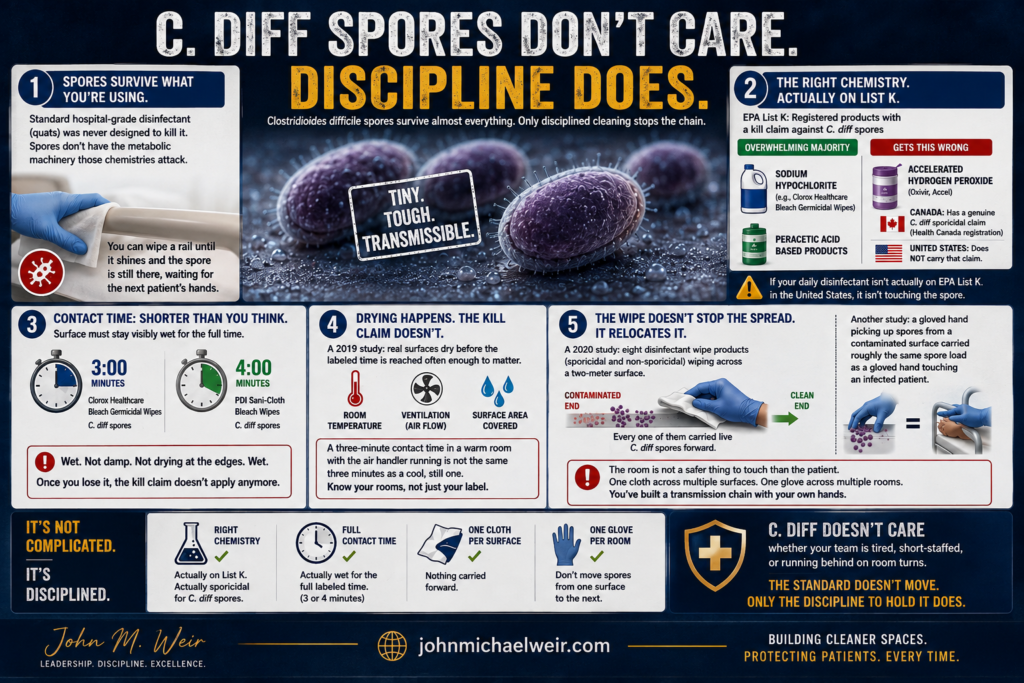
Clostridioides difficile forms a spore that survives almost everything you’re using to disinfect a room. Standard hospital-grade disinfectant, the quaternary ammonium product most departments use every day, was never designed to kill it. Spores don’t have the metabolic machinery those chemistries attack. You can wipe a rail until it shines and the spore is still there, waiting for the next patient’s hands.
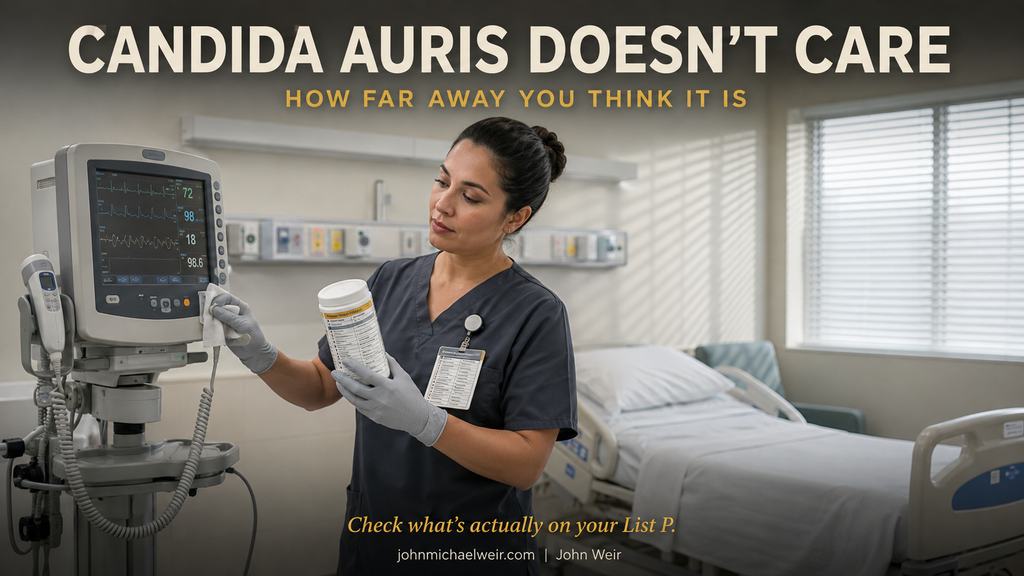
Sodium hypochlorite (Clorox Healthcare Bleach Germicidal Wipes) and peracetic acid-based products make up the overwhelming majority of EPA List K, the actual registered list of products with a kill claim against C. diff spores. Here’s the detail some training materials get wrong: the accelerated hydrogen peroxide products a lot of departments already stock for daily disinfection, the Oxivir and Accel lines, do carry a genuine C. diff sporicidal claim in Canada under Health Canada registration. They do not carry that claim here. If your daily disinfectant isn’t actually on EPA List K in the United States, it isn’t touching the spore, no matter how hospital-grade the label says it is.
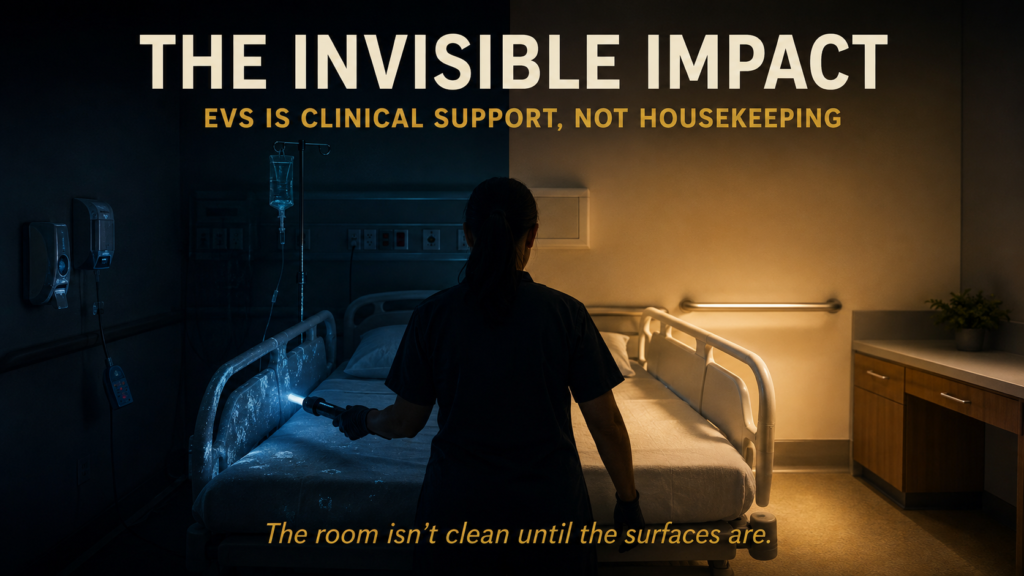
What people see in a patient room is a clean environment. No visible soil. Everything in place. A perfect picture.…
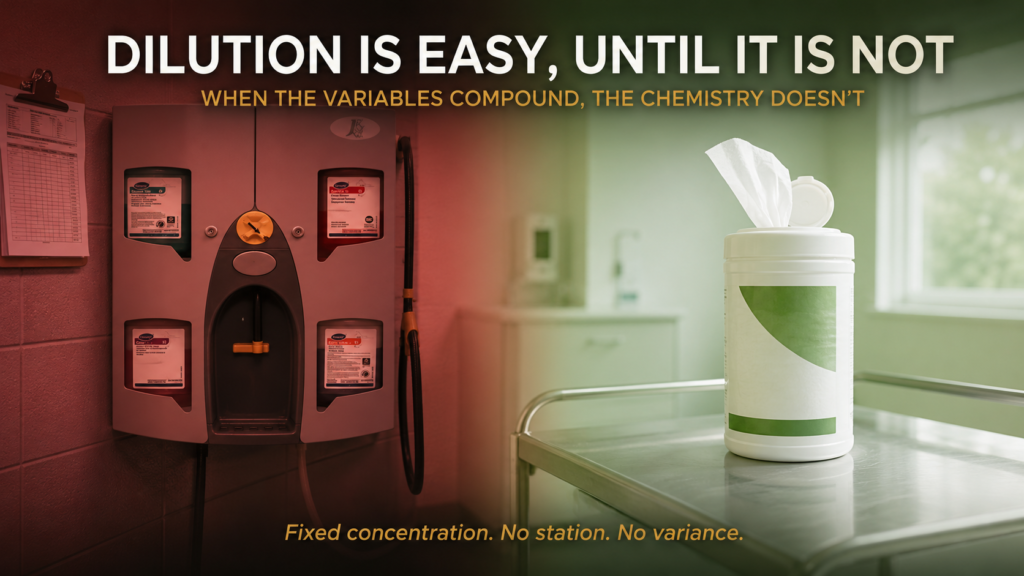
Mixing stations introduce variables that many cleaning programs don’t account for. Water pressure fluctuates throughout the day and across different locations in the building. Dispensers require regular maintenance to stay calibrated. Metering tips clog. One common dilution station manufacturer states water pressure minimum of 30lbs. That explained why I had a dispenser never meet standards of 800ppm, and after I had changed it out.
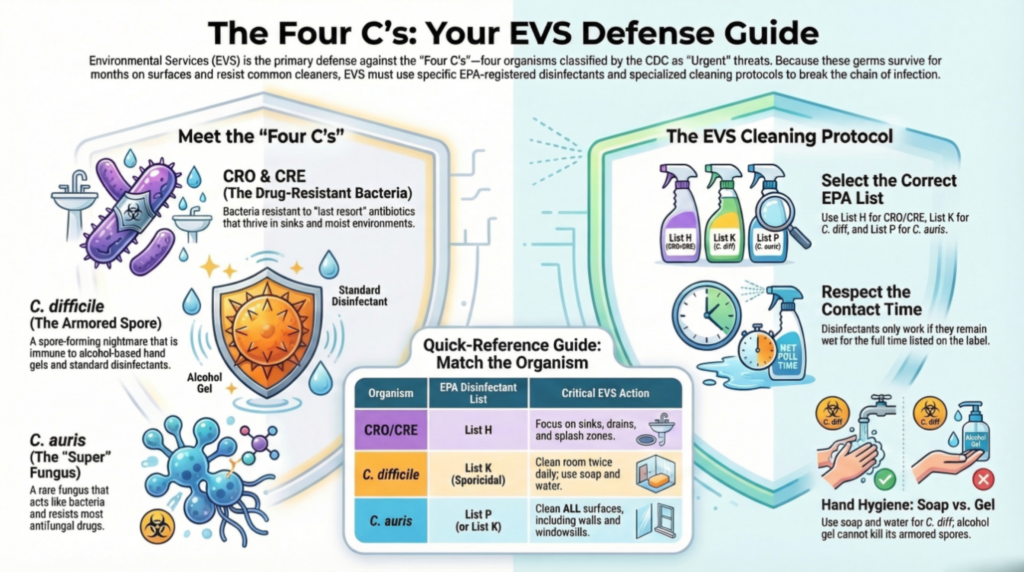
I have developed a full staff training on the Four C’s that we will be rolling out next week. These are four of the most dangerous drug-resistant organisms in healthcare settings, and I want to share some of the key points from that training here.
In the first post in this series, I laid out four variables that drive smart disinfectant selection: microbial targets, contact time, chemistry, and EPA registration. Each one deserves a deeper look. This post focuses on the first and most foundational: knowing exactly which organisms you are targeting and why that determines which disinfectant belongs in your team’s hands.
Analogy for Understanding: Think of Candida auris like a “microscopic ghost.” Long after a patient has been discharged, the fungus remains haunting the surfaces of the room. Using standard cleaners is like dusting the furniture while the ghost remains; only periodic interventions like this will truly clear the space for the next patient.
Microbes are everywhere—on your skin, in the air you breathe, and in the food you eat. They form a vast, invisible universe that shapes our lives in profound ways. While we often think of “germs” as simple enemies to be defeated, their stories are far more complex, surprising, and fascinating than we can imagine. From their discovery and evolution to their impact on our health, the interplay between microbes and humanity is a journey through the quirks and mysteries of life at the microscopic level.
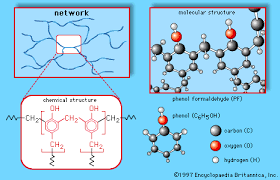
Phenolic compounds have played a defining role in the history of medical disinfection, shaping modern practices in infection control and hospital hygiene. Their story is one of discovery, innovation, and ongoing evolution as scientists and healthcare professionals sought better ways to prevent the spread of disease.