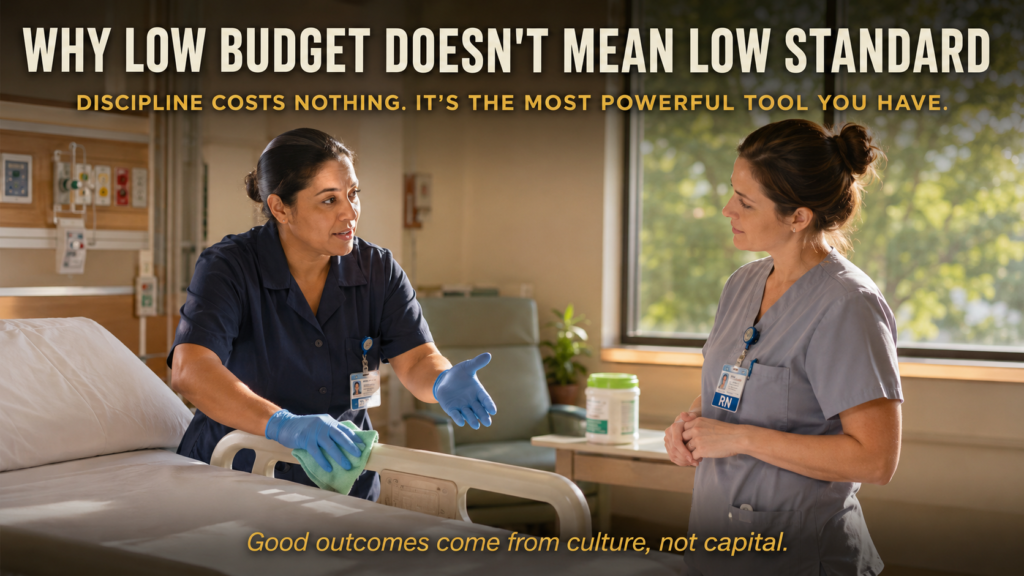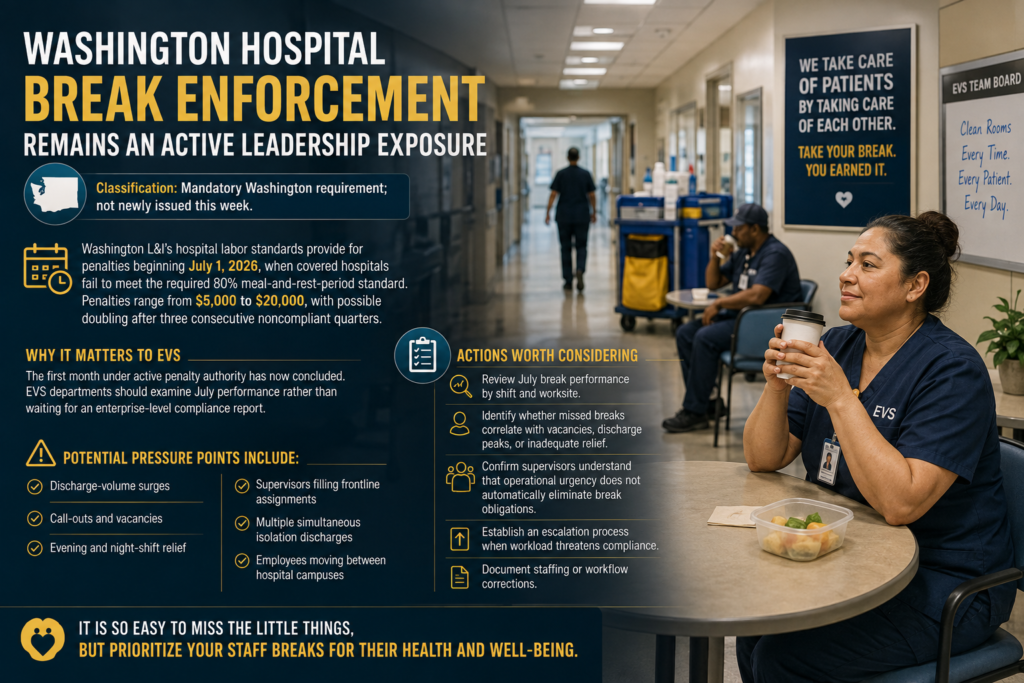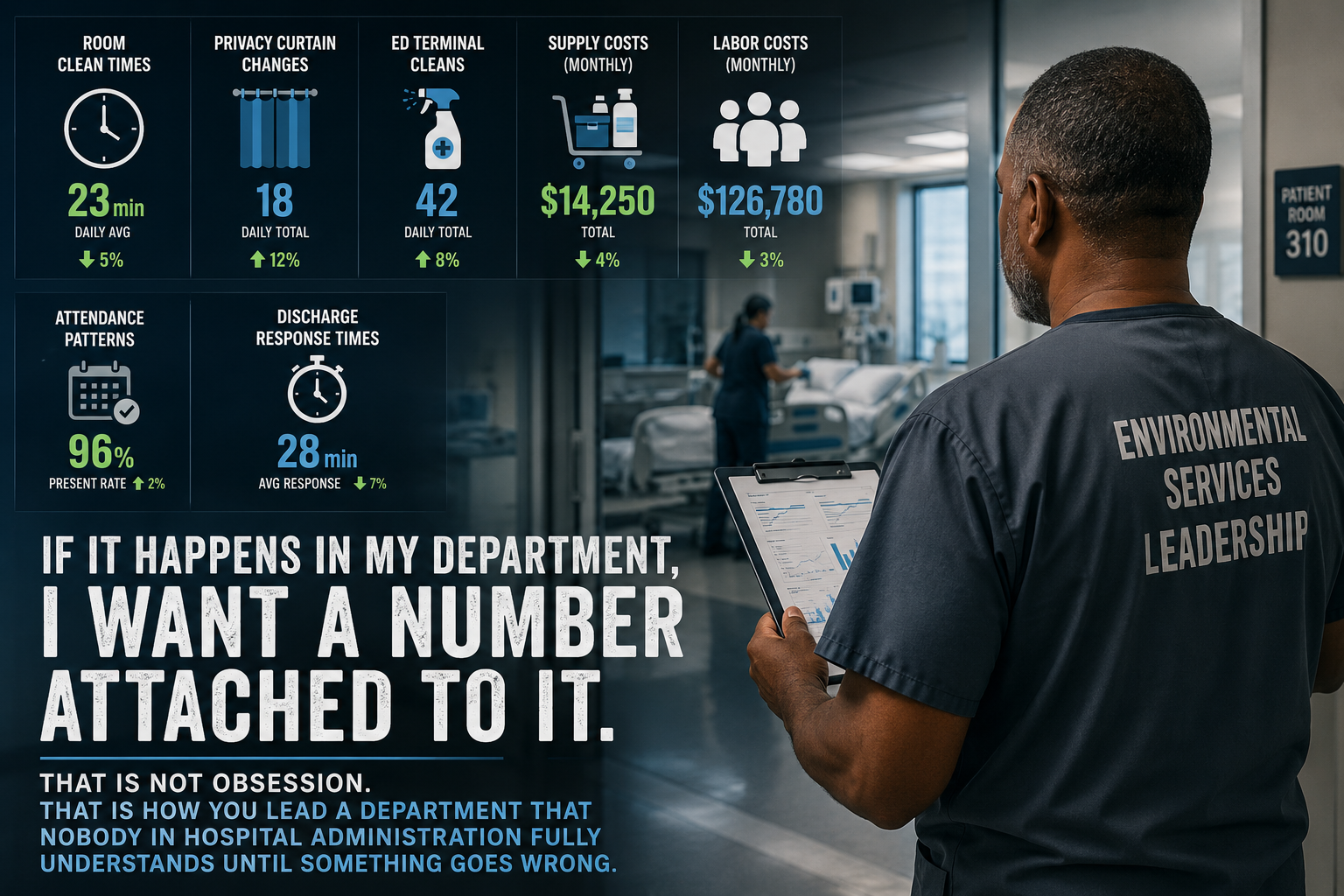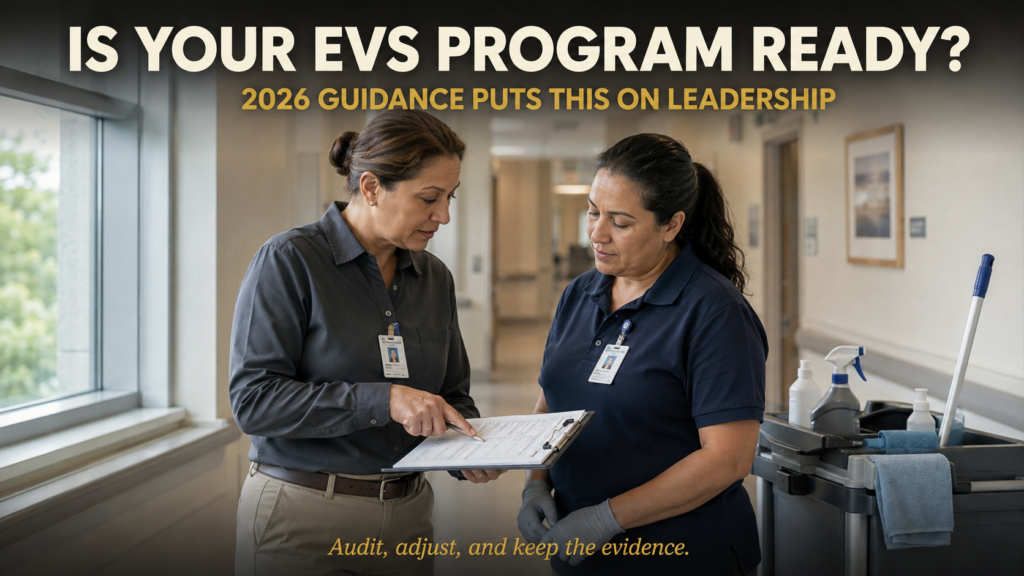
The leader who works the floor leads the floor. Physical presence is not a monitoring tactic; it is a profound investment in your team. When you are visible, performance naturally rises because people raise their standards when they know their leader is paying attention. Problems surface as “small issues” before they can mutate into patient complaints or safety incidents. Most importantly, presence communicates a level of support that a memo never could.

To bridge the gap between high-level strategy and frontline execution, leaders must master these five lessons from the floor.

Continue reading this article here

A supervisor who manages performance well, but trains poorly will always be managing performance because the team will never reach its potential. A supervisor who trains effectively creates workers who know what to do, understand why they are doing it, and can maintain that standard with less direct supervision. In an EVS department the ability to train well is the most scalable leadership you can learn.

Continue reading this article here

As a leader, your communication sets the tone for interaction among your people. This simple yet profound truth underscores the importance of clear, consistent, and intentional communication in shaping the culture and success of any team. Leadership is not merely about issuing directives or setting goals; it’s about fostering connections and empowering others to contribute their strengths to a shared vision.

Continue reading this article here