When Discomfort is a Signal
When you have seen the version of yourself you could become, the comfortable version of your life stops feeling comfortable.…
When you have seen the version of yourself you could become, the comfortable version of your life stops feeling comfortable.…
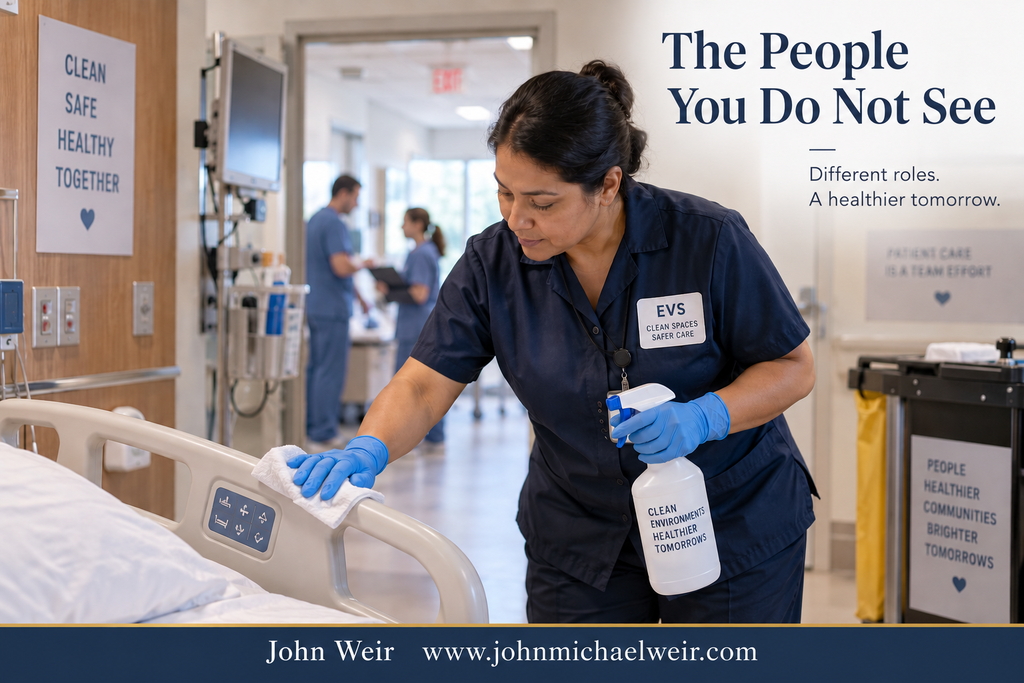
When you walk into a hospital, you see the doctors and nurses. You notice the monitors, the uniforms, the bright…
Most advice about holding people accountable quickly moves to progressive guidance. Set the expectation, document the gap, escalate to discipline. The mechanics are not wrong. They are just second, and when a leader reaches for them first they usually do not work.
They don’t work because accountability is not perceived the same way by everyone. The same conversation, using the same words, can be help for one employee and a threat for another. The difference is whether that employee trusts me, and that needs to happen long before I sit down with potential progressive discipline.
If they do not trust me, accountability is not a correction. It is the first step in getting rid of them, and that is how they will hear it no matter how carefully I say it. Once someone believes I am building a case, nothing useful happens after that. They stop listening for what needs to change and start thinking about their defense.
I wrote this book because I have spent nearly three decades leading teams in environmental services that do not allow for hesitation. The Stoics understood what hospital corridors and operating pressures teach you every day: character is not what you claim. It is what you do when things are hard.
Most people think the hardship is the thing that happened to them. It is not. The hardship that does the most damage is the one that comes second. The first wave arrives uninvited. You do not choose it. It lands, and you absorb it. As brutal as it is, it has an end. Time helps, support helps, resilience helps, and you get through it. The second wave is different. It does not come from the outside. It comes from inside. It is the story you tell yourself about what happened and why.
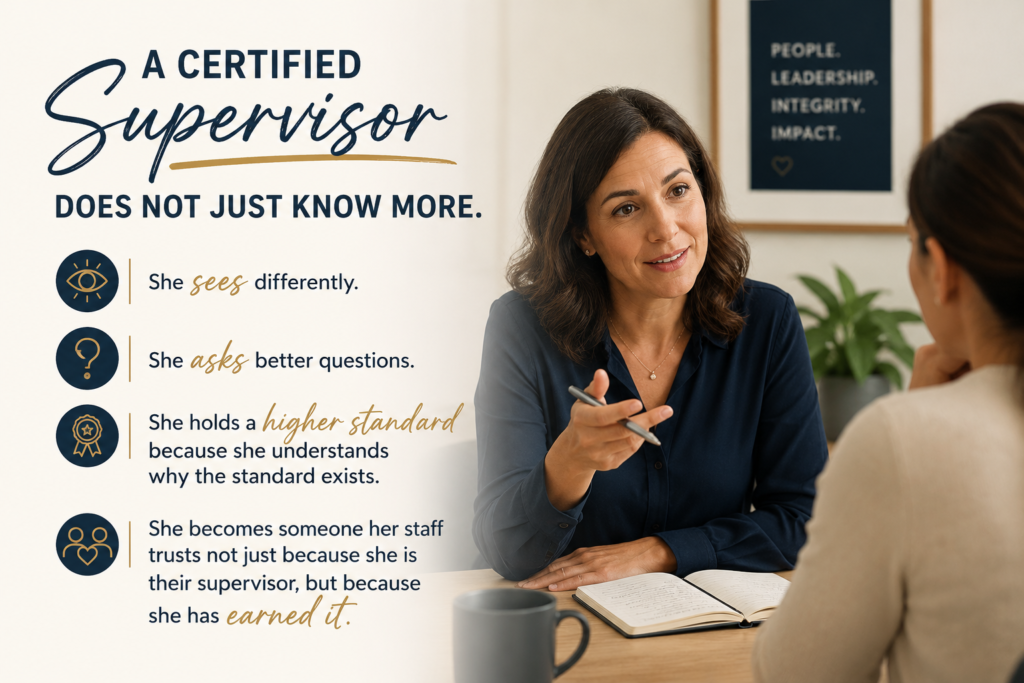
A certified supervisor does not just know more. She sees differently. She asks better questions. She holds a higher standard because she understands why the standard exists. She becomes someone her staff trusts not just because she is their supervisor, but because she has earned it.
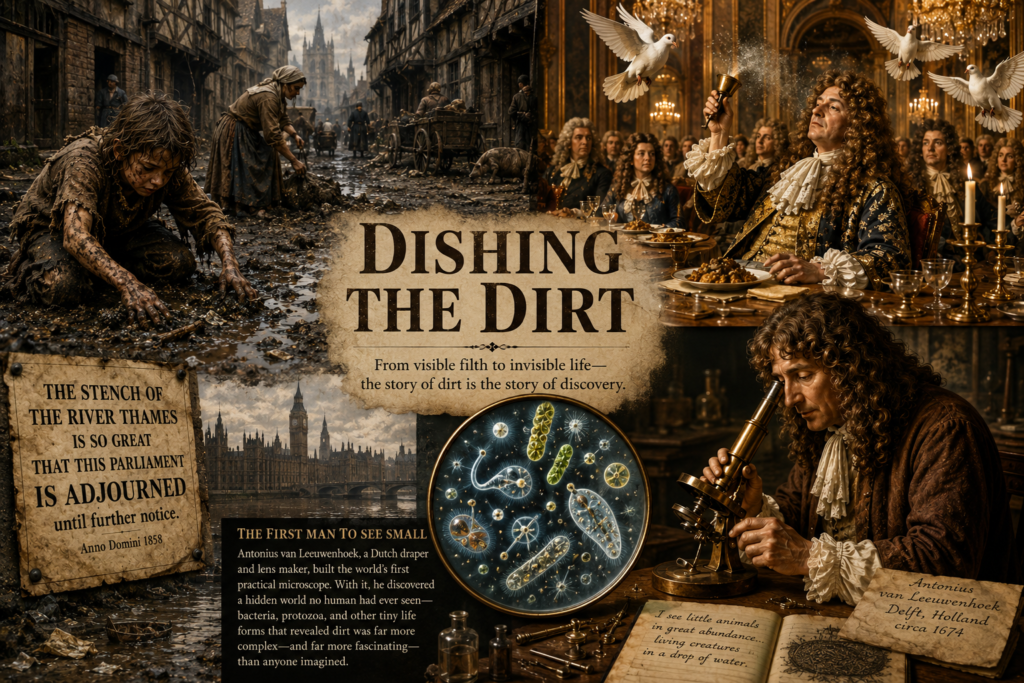
Tom Brokaw didn’t mention it. It wasn’t on Time magazine’s list of the most significant events of the twentieth century. But at least once every millennium, there ought to be a serious discussion about dirt. It has always been around, and as society has progressed, so has the nature of the dirt that surrounds us.
The buttermilk problem in EVS leadership looks like this: a supervisor spends the same amount of time and attention on the employee who does the minimum as on the one who quietly exceeds expectations every single day. The one who asks the right questions. Who comes in early when the floor is short. Who takes feedback on Tuesday and comes back Thursday doing it better. Who watches how things work and wonders how to make them work better.
When staff trust their leadership, something changes. They show up differently. They speak up when something is wrong. They adapt faster when protocols change. They stay longer. And over time, that produces better outcomes than any dashboard-first management approach ever will.
A supervisor who manages performance well, but trains poorly will always be managing performance because the team will never reach its potential. A supervisor who trains effectively creates workers who know what to do, understand why they are doing it, and can maintain that standard with less direct supervision. In an EVS department the ability to train well is the most scalable leadership you can learn.
In the first post in this series, I laid out four variables that drive smart disinfectant selection: microbial targets, contact time, chemistry, and EPA registration. Each one deserves a deeper look. This post focuses on the first and most foundational: knowing exactly which organisms you are targeting and why that determines which disinfectant belongs in your team’s hands.
As a leader, your communication sets the tone for interaction among your people. This simple yet profound truth underscores the importance of clear, consistent, and intentional communication in shaping the culture and success of any team. Leadership is not merely about issuing directives or setting goals; it’s about fostering connections and empowering others to contribute their strengths to a shared vision.