EVS as a First Line of Defense
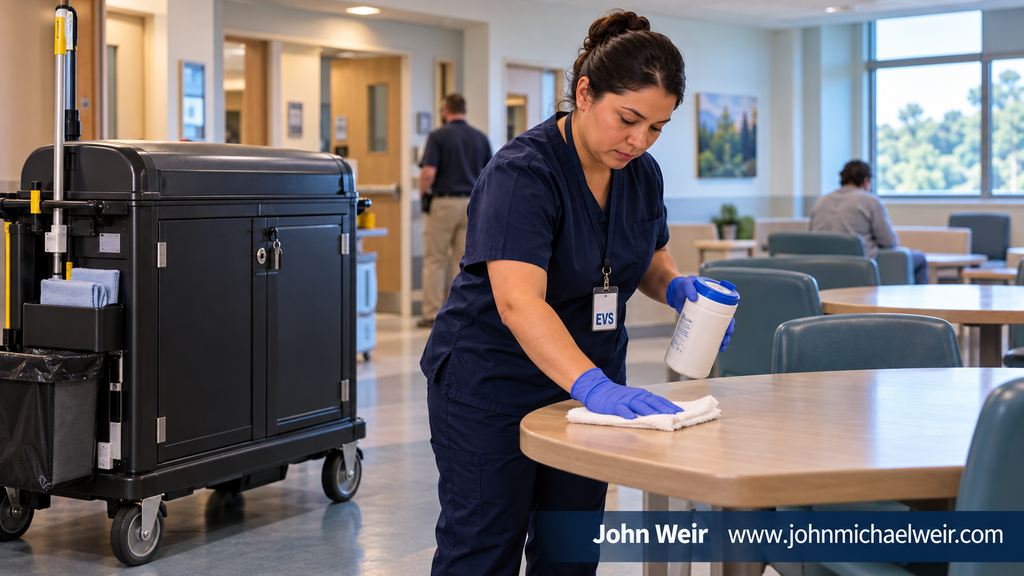
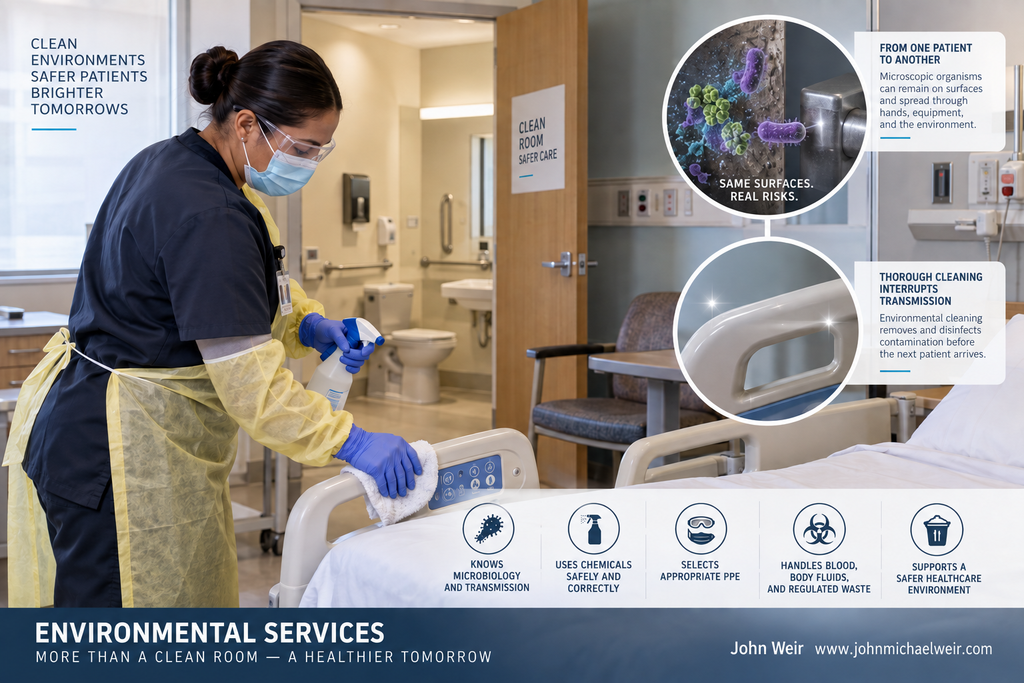
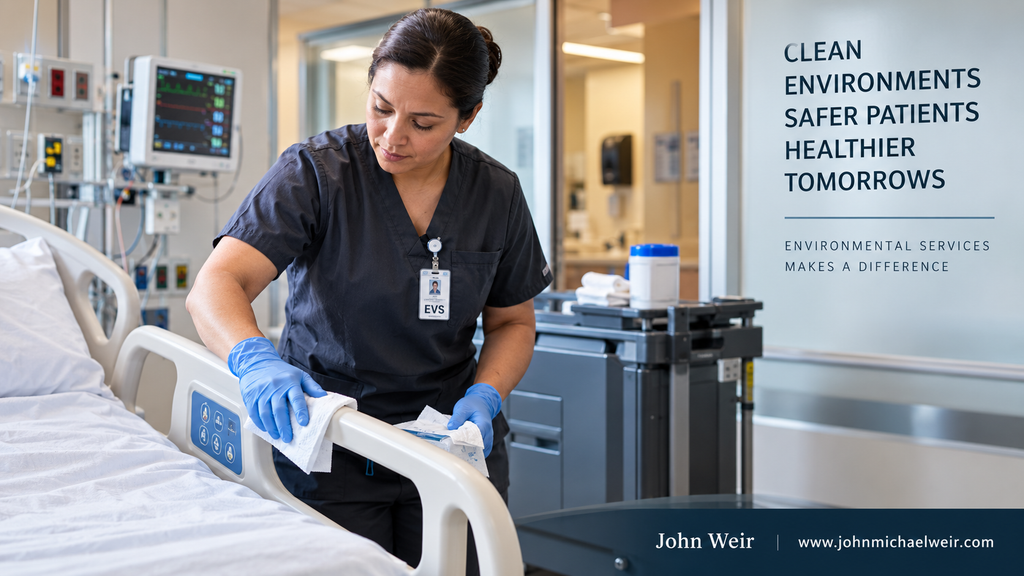
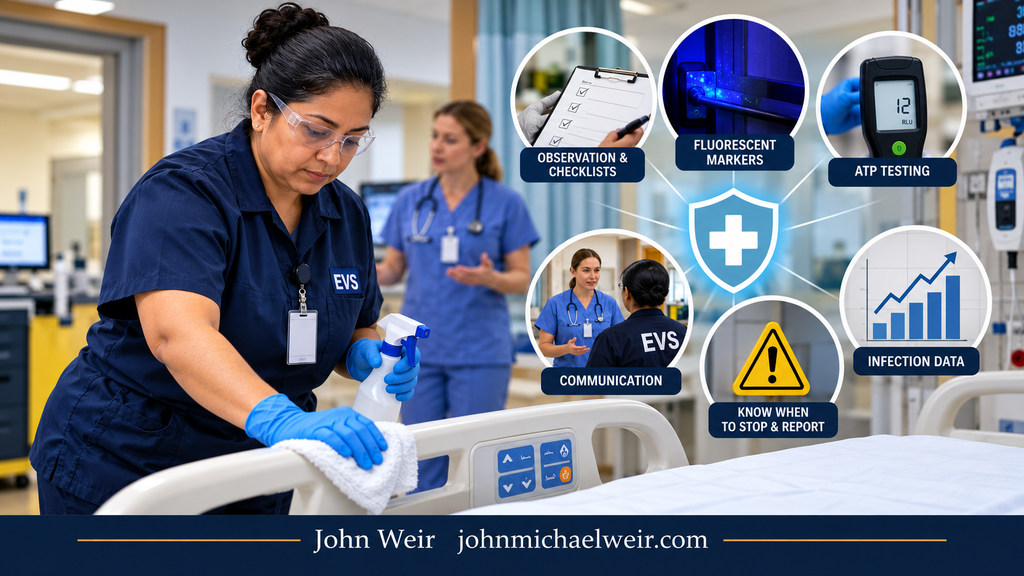
Environmental Services (EVS) work ties directly to patient safety and to the way patients experience the hospital. Careful cleaning reduces…
Environmental Services (EVS) work ties directly to patient safety and to the way patients experience the hospital. Careful cleaning reduces…
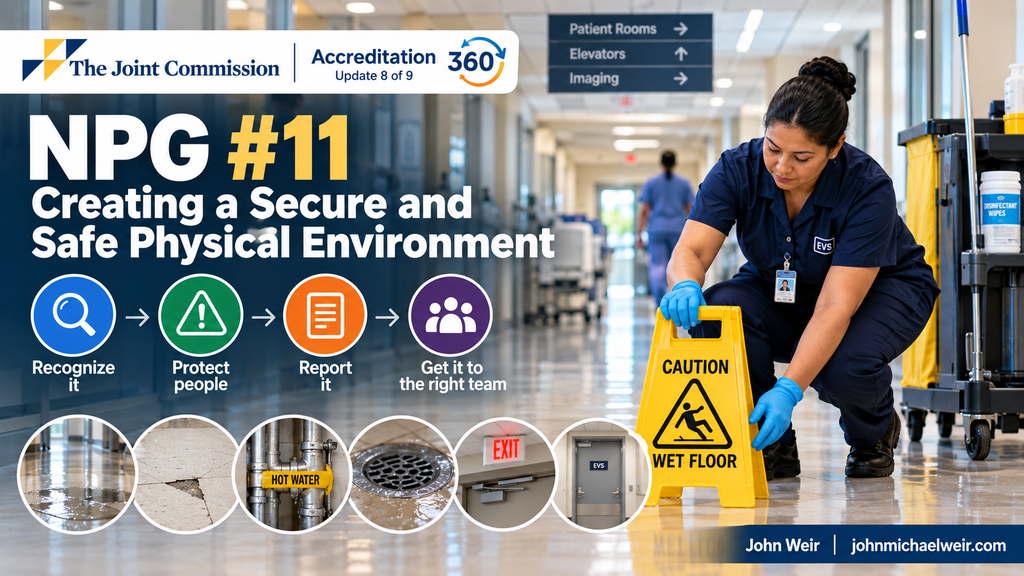
NPG #11: Creating a Secure and Safe Physical Environment A safe hospital is built out of small actions. A spill…
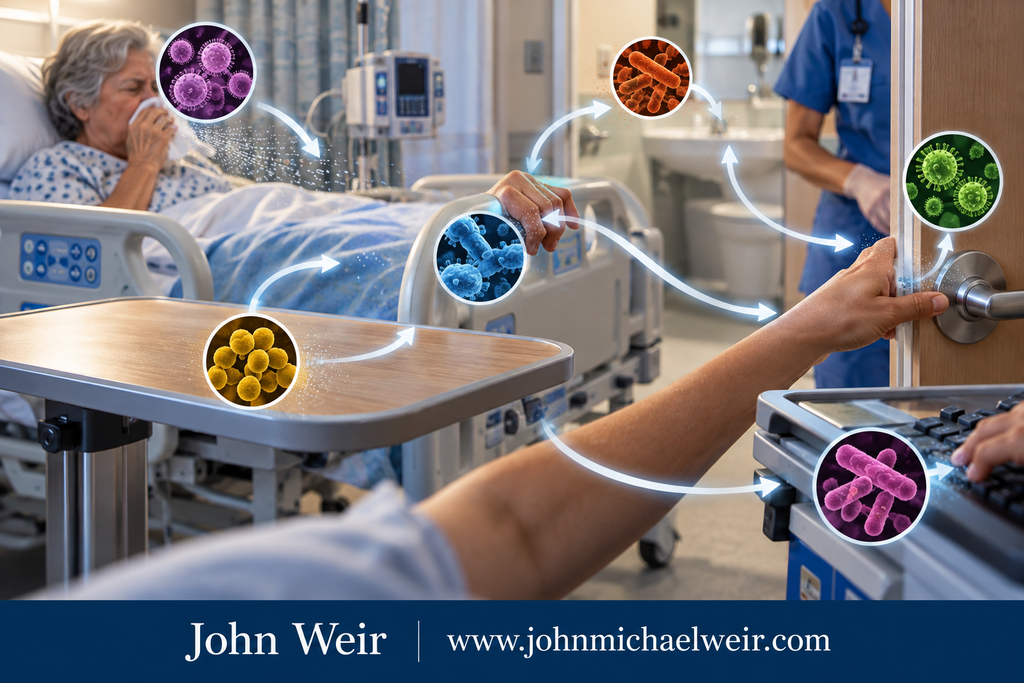
Infection control becomes easier to understand once you stop picturing germs as mysterious enemies and start tracking movement. Microorganisms travel…
Cleaning in an adult behavioral health unit requires the same disciplined infection prevention practices used throughout the hospital, but it…
The phrase hospital-acquired infection, or HAI, describes an infection that develops during or soon after a person receives care. Some…
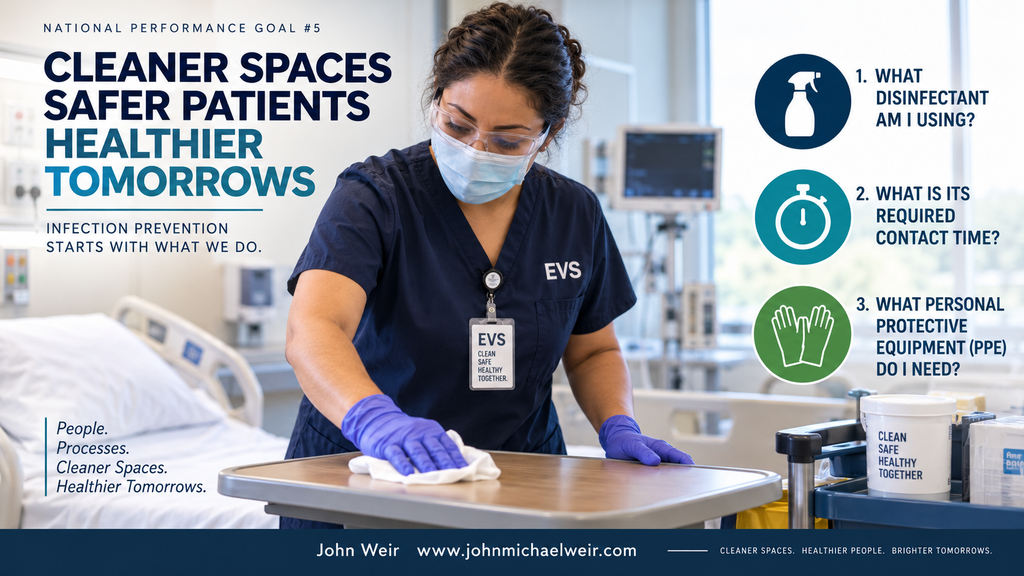
Three Questions Every EVS Technician Should Be Able to Answer National Performance Goal #5: Preventing and Controlling Infection A patient…
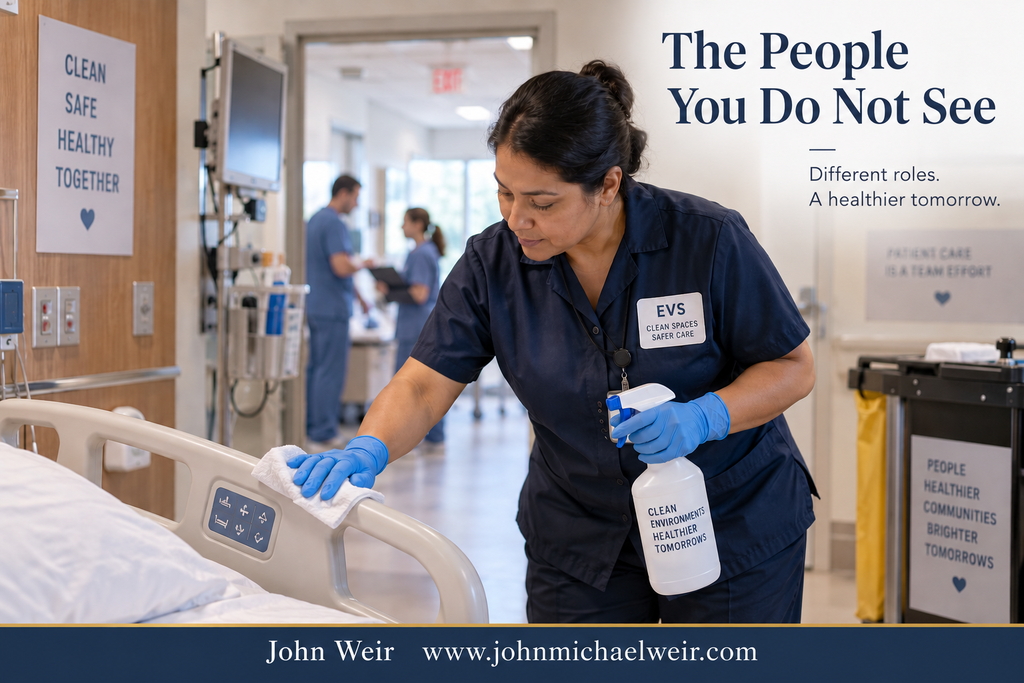
When you walk into a hospital, you see the doctors and nurses. You notice the monitors, the uniforms, the bright…
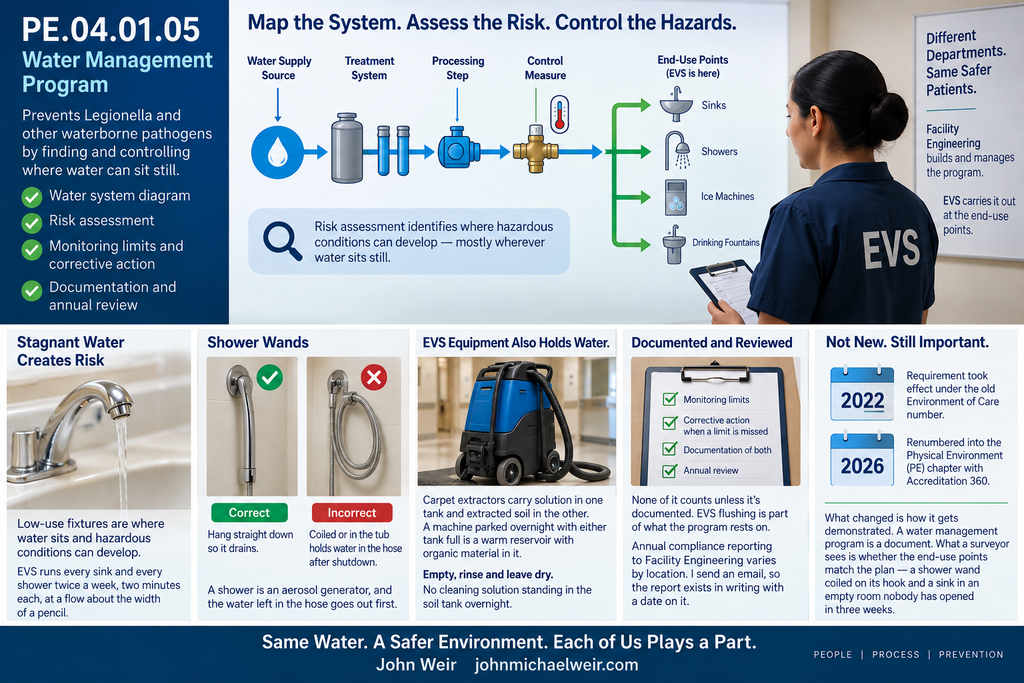
PE.04.01.05 requires organizations to have a water management program that addresses Legionella and other waterborne pathogens, and it carries four…
When hospital leaders see Hospital-Acquired Infections climb, the response is predictable. Leadership calls a meeting, clinical educators refresh hand hygiene…
PE.04.01.01: Building Safety and Facility Management PE.04.01.01, one of the standards inside the Physical Environment (PE) chapter Accreditation 360 created…
PE.03.01.01: Life Safety Code PE.03.01.01, one of the standards inside the Physical Environment (PE) chapter Accreditation 360 created in 2026,…
Part 3 of 9, PE.02.01.01: Hazardous Materials and Waste PE.02.01.01, part of the Physical Environment chapter Accreditation 360 created in…